Iron shots

5 Practice drills to improve your Iron shots at home – 2026

Most golfers only practice when they’re at the range.

That’s not enough. The golfers who improve fastest are the ones who squeeze in 10-15 minutes at home – working on feel, mechanics, and muscle memory between rounds.

The good news: you don’t need a net, a mat, or even a ball for most of these drills. Just a club, a small space, and consistency.

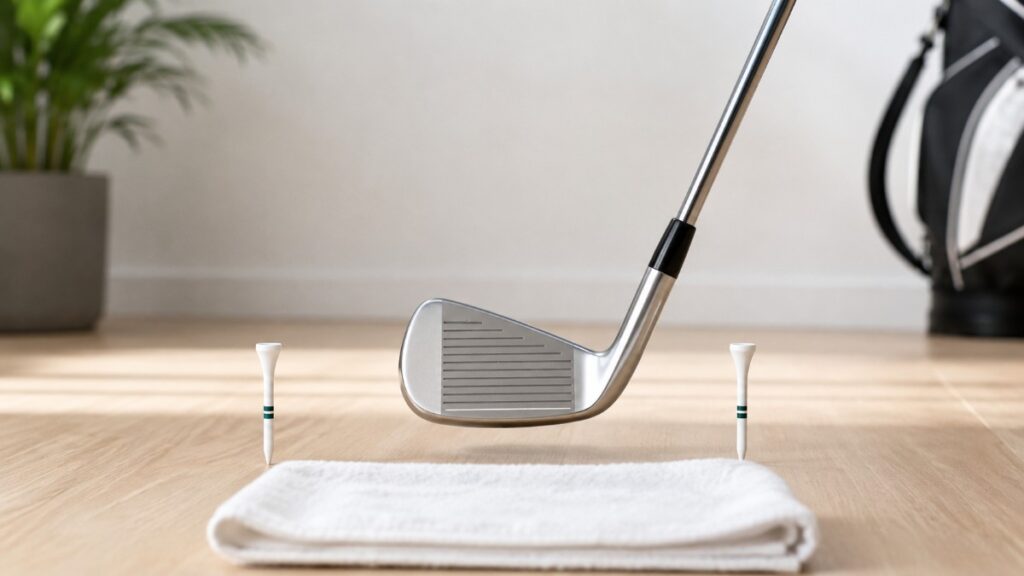
1. The Towel Drill – Stop Hitting Fat Shots for Good

You need: A golf towel, any iron
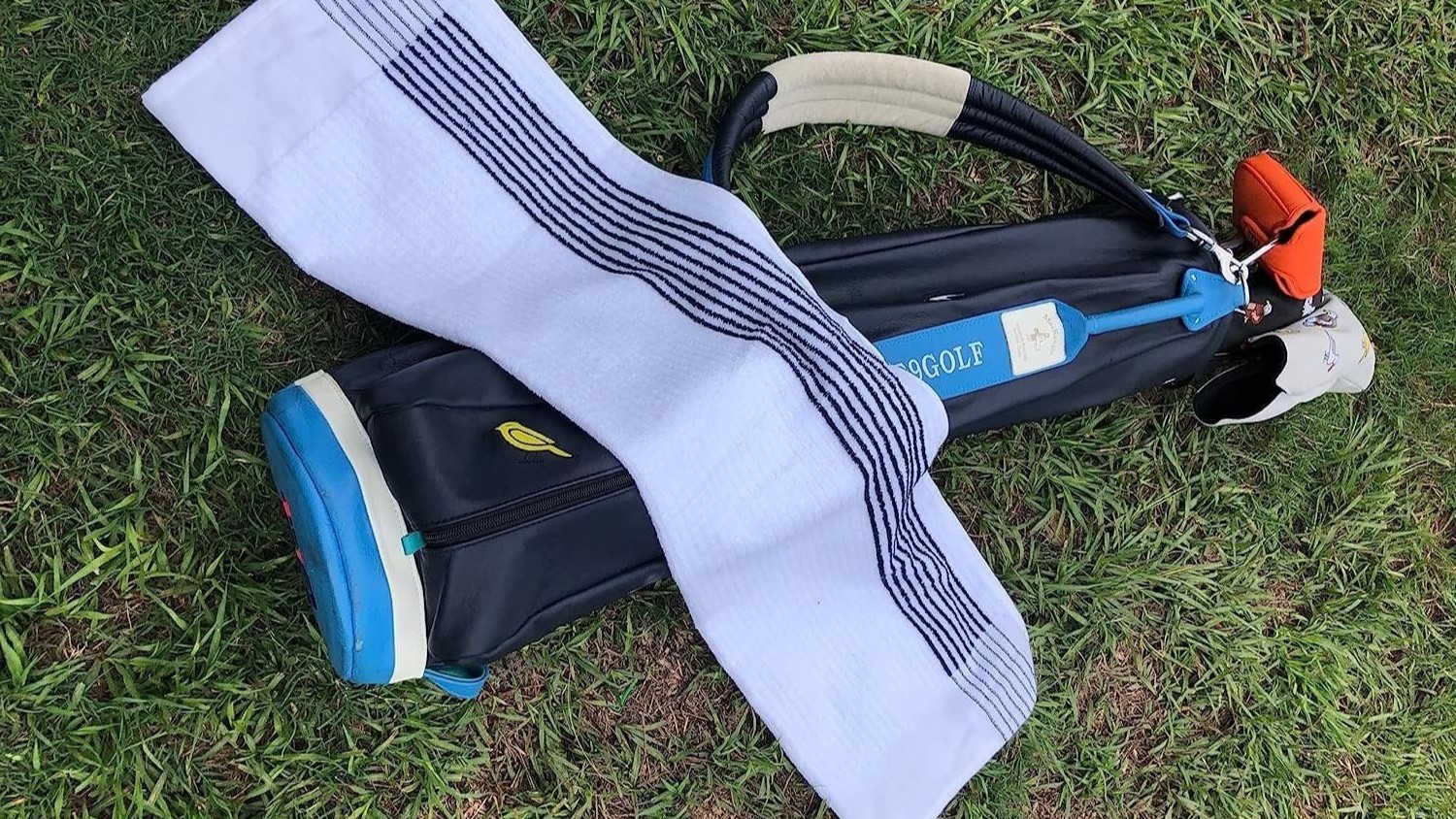
Caddy Golf Towel

Place a folded towel on the ground about a hand-width behind an imaginary ball position. Take your normal setup and swing — the goal is to miss the towel completely and brush the ground just ahead of where the ball would be.

If you keep hitting the towel, you’re bottoming out too early. That’s the exact reason your irons come out heavy and weak.

Do this: 20 slow swings per session. As you improve, move the towel closer.

This single drill fixes fat contact faster than almost anything else.

2. The Gate Drill – Hit the Center of the Face Every Time

You need: Two Golf tees, no ball needed
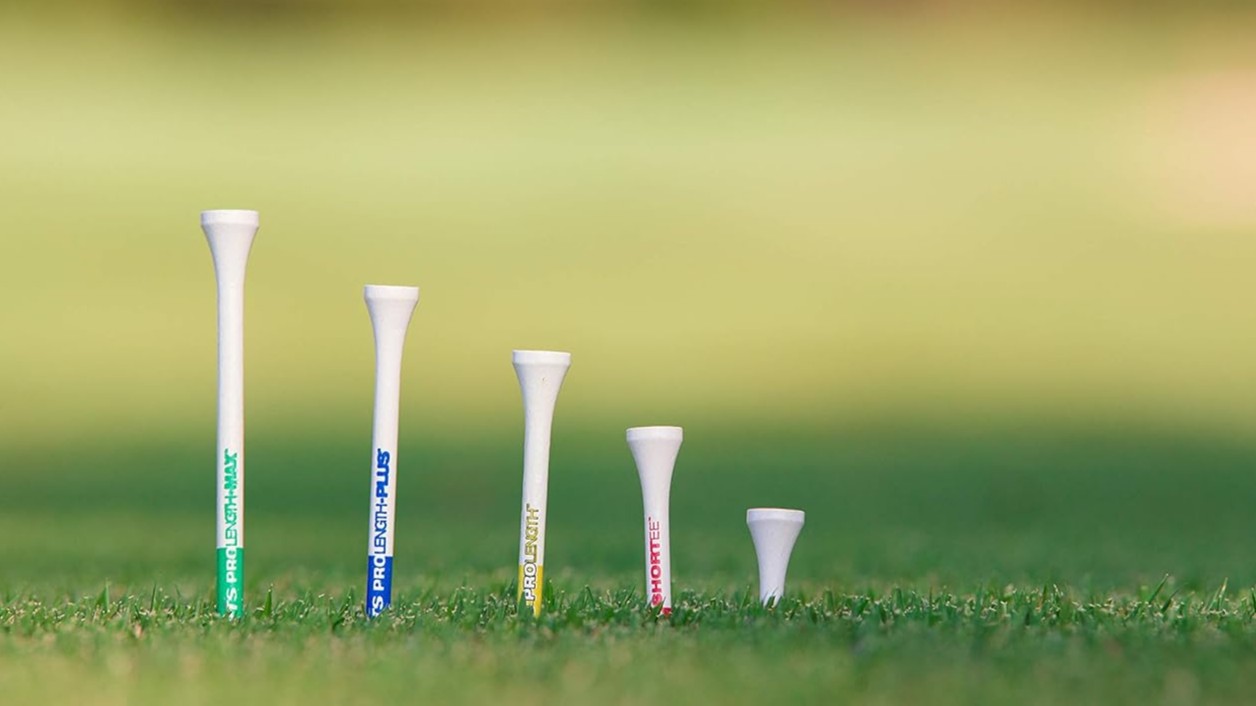
Golf Tees

Push two tees into the ground just outside each side of your clubhead at address — leaving barely enough room for the clubface to pass through cleanly.

Now swing. If you clip either tee, your swing path is off. The goal is to swing through the gate without touching either one.

This drill sharpens your swing path and trains center-face contact — the two things that make iron shots feel crisp instead of dead.

Do this: 15 reps, slow and deliberate. Speed comes after the pattern is right.

3. The Towel Under Arms Drill – Keep Everything Connected

You need: A towel, any iron

Roll a towel and tuck each end under your armpits so it runs across your chest. Now make slow, smooth swings without letting the towel drop.

If it falls, your arms disconnected from your body rotation. That disconnect is what causes the “flippy” release that steals distance and consistency from your iron shots.

Do this: 10–15 slow swings, then try full swings once the feel is there. You can do this in your living room with no ball at all.

4. The Pump Drill – Fix Your Downswing Sequence

You need: Any iron, open space

Lag Shot 7 Iron Golf Swing Trainer

Take your backswing to the top — then pause. Drop the club halfway down toward impact, then stop again. Then complete the swing through to finish.

This “pump” action teaches your body the correct sequence: lower body leads, arms follow, club releases last. Most golfers do this in reverse, which is why their irons lack power and feel inconsistent.

Do this: 10 reps slowly, focusing on where your weight is at each pause point. It should feel strange at first. That’s normal.

5. The Slow-Motion Mirror Drill – Spot What You Can’t Feel

You need: A mirror or phone camera, any iron

Stand sideways in front of a mirror or set your phone to record from face-on. Make 50% speed swings and watch what happens.

Check for: grip position at the top, shaft lean at impact, head staying level, weight transferring to the lead side. Most golfers have never actually seen their swing. What you discover will surprise you.

Do this: Even five minutes here is more valuable than 50 rushed range balls. Fix what you see, then test it at the range.

The Simple Rule

Ten focused minutes at home beats an hour of mindless hitting.

Pick one drill per session. Do it slowly. Repeat it until it feels automatic — then take it to the range and test it with a ball.

Your irons won’t improve by accident. But with the right drills and a little consistency, they’ll improve faster than you think.

FAQs

Can I practice golf iron shots at home without hitting balls?
Yes. Most of the best iron drills, the towel drill, pump drill, mirror drill and gate drill require no ball at all. You’re training movement patterns and muscle memory, not ball flight. Slow-motion reps at home build the same habits as range sessions.

How long should I practice iron drills at home each day?
10-15 minutes of focused, deliberate practice is enough. Quality beats quantity. Five slow, correct reps rewire your swing faster than 50 rushed ones.

What does “ball first, ground second” mean in iron play?
It means the clubface should contact the ball before it contacts the turf. This creates compression, proper launch angle, and the distinctive divot that appears in front of where the ball sat. Scooping or hitting up on the ball does the opposite – causing thin, weak shots.

Do I need alignment sticks to practice iron drills at home?
No. Alignment sticks are useful but not essential. You can use two pencils, two extra tees, or even tape on the floor to replicate the gate drill.

How many practice swings should I do per drill session?
Start with 15-20 slow reps per drill. Once the movement feels natural, gradually increase speed.

Can practicing at home actually lower my golf score?
Yes, if you practice the right things. Home drills build muscle memory for correct swing sequences, weight transfer, and impact position. These patterns transfer directly to the course.

What is the best iron drill for intermediate golfers specifically?
The pump drill is the most effective for intermediate players. It addresses the most common intermediate problem, an incorrect downswing sequence where the upper body leads instead of the lower body.

How do I know if my iron swing is improving?
Track divot position (should be just ahead of ball position), shot shape consistency, and distance gapping between clubs. Filming your swing from face-on and down-the-line every two weeks gives you a clear before/after comparison. Improvement in contact quality will show up in your scores within 4–6 rounds.

Should I use a full-length iron or a shorter iron for at home drills?
Start with a 7-iron or 8-iron. Mid-length irons give you enough feedback to feel what’s wrong without the extremes of a long iron or a wedge. Once a drill feels natural with the 7-iron, test it with a 6-iron and a 9-iron to build full-set consistency.

Is it better to practice slow or at full speed?
Slow first always. Slow swings let your brain process what the correct movement feels like. Once you can do it correctly at 50% speed, move to 75%, then full speed. Practicing at full speed before the pattern is correct just reinforces the wrong movement faster.

Leave a Comment

Your email address will not be published. Required fields are marked *

Scroll to Top

Discover more from Sincere Golfer

Subscribe now to keep reading and get access to the full archive.

Continue reading