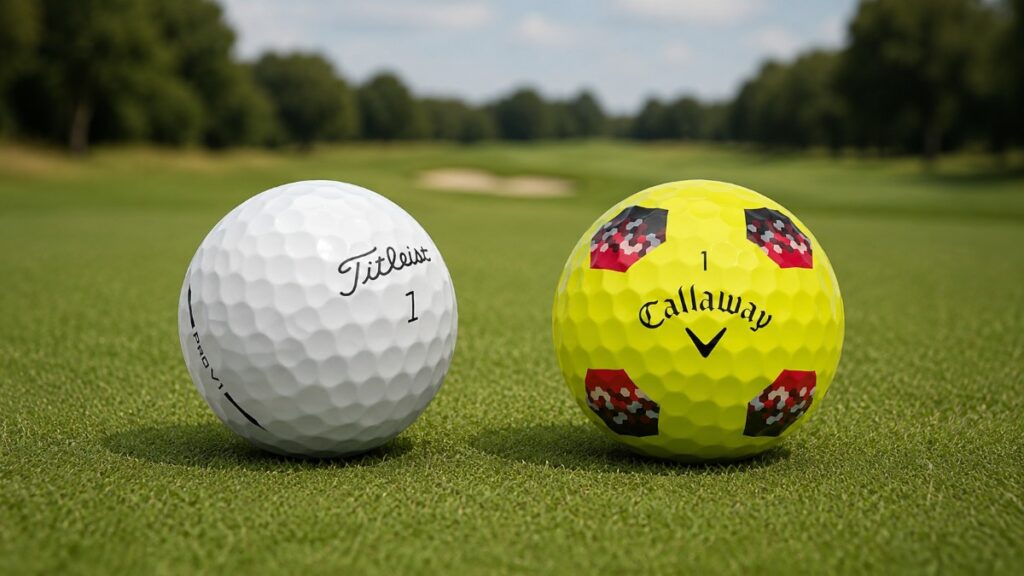

Titleist Pro V1 vs Callaway Chrome Soft

Expert review: Titleist Pro V1 vs Callaway Chrome Soft – 26

Two of the most searched golf balls every year. Both premium. Both urethane. Both around $55 a dozen.

Titleist Pro V1

Construction  3-piece

Compression  87 (mid)

Driver spin     Lower (~2,400 rpm)

Wedge spin    ~8,000 rpm

Feel     Firm, crisp snap

Best in wind   ✅ Yes

Price   ~$55/dozen (Check new price)

Callaway Chrome Soft

Construction       4-piece

Compression       75 (soft)

Driver spin Higher (~2,550 rpm)

Wedge spin ~8,100 rpm

Feel   Soft, muted click

Best in wind         Moderate

Price  ~$57/dozen (Check new price)

Distance

playing golf with Callaway Chrome Soft balls

Virtually identical. In matched swing-speed testing, Chrome Soft carried 247 yards and Pro V1 carried 246, a one-yard difference you’ll never notice on the course. Don’t choose between these two based on distance.

Feel

  • Pro V1 — firmer, more responsive. You feel the snap through irons and off the putter face. Preferred by players who want feedback.
  • Chrome Soft — noticeably softer. With a compression of 75, it’s ideal for golfers seeking a very soft, high-performing feel. Easier on the hands, especially at slower swing speeds.

Spin & Short Game

Both are competitive. Chrome Soft edges out Pro V1 slightly on wedge shots at roughly 8,100 rpm vs 8,000 rpm a difference that won’t change your short game but confirms both compete at the premium level.

Pro V1’s lower driver spin produces a more penetrating, flatter ball flight. Chrome Soft spins more off the driver, which launches higher, better for slower swing speeds, slightly more susceptible to wind.

Wind Performance
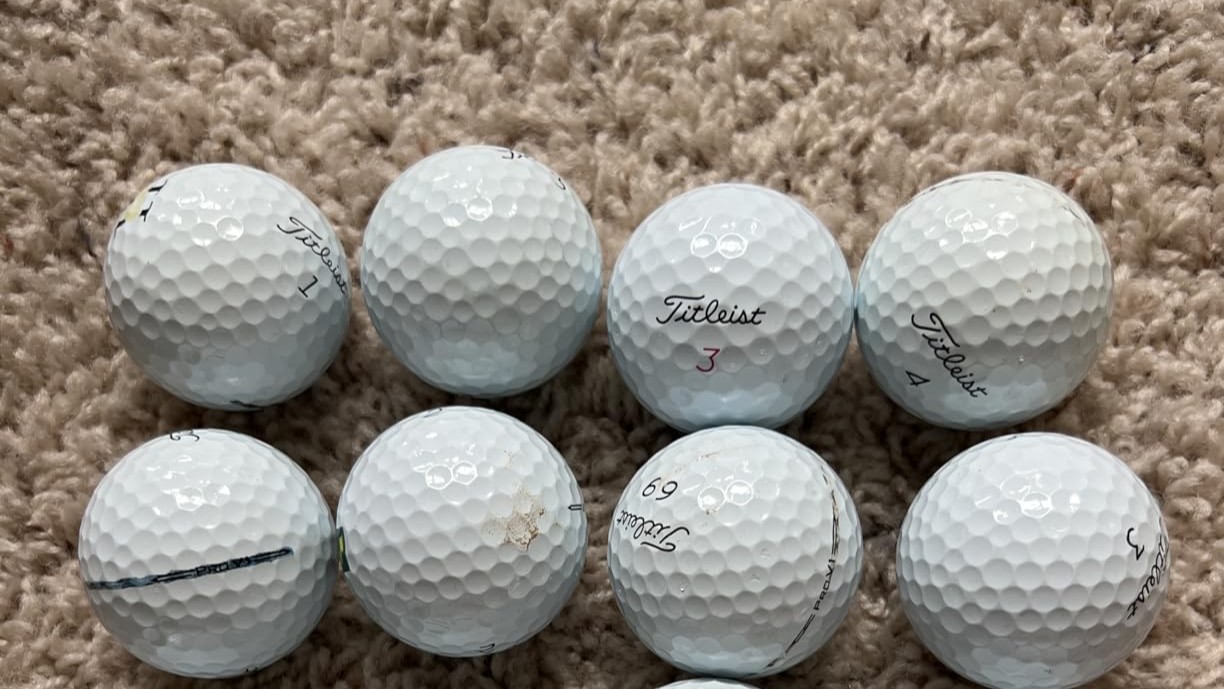
Titleist Pro V1 Golf Balls

Pro V1 holds a slight advantage in wind due to its lower trajectory and penetrating flight. Chrome Soft flies higher, which can make it more susceptible to crosswinds, though Callaway’s 2026 Seamless Tour Aero technology has narrowed the gap considerably.

Durability

Pro V1 wins here. Pro V1 and Pro V1x maintained steady spin and flight characteristics across all speeds in MyGolfSpy’s 2025 ball test. Chrome Soft scuffs more visibly after cart paths and rough contact, though performance holds up well through multiple rounds.

Who Should Play Each

Choose Pro V1 if:

  • Your swing speed is 95 mph+
  • You want iron control and wind reliability
  • You prefer firm, responsive feedback
  • You play in variable or windy conditions

Choose Chrome Soft if:
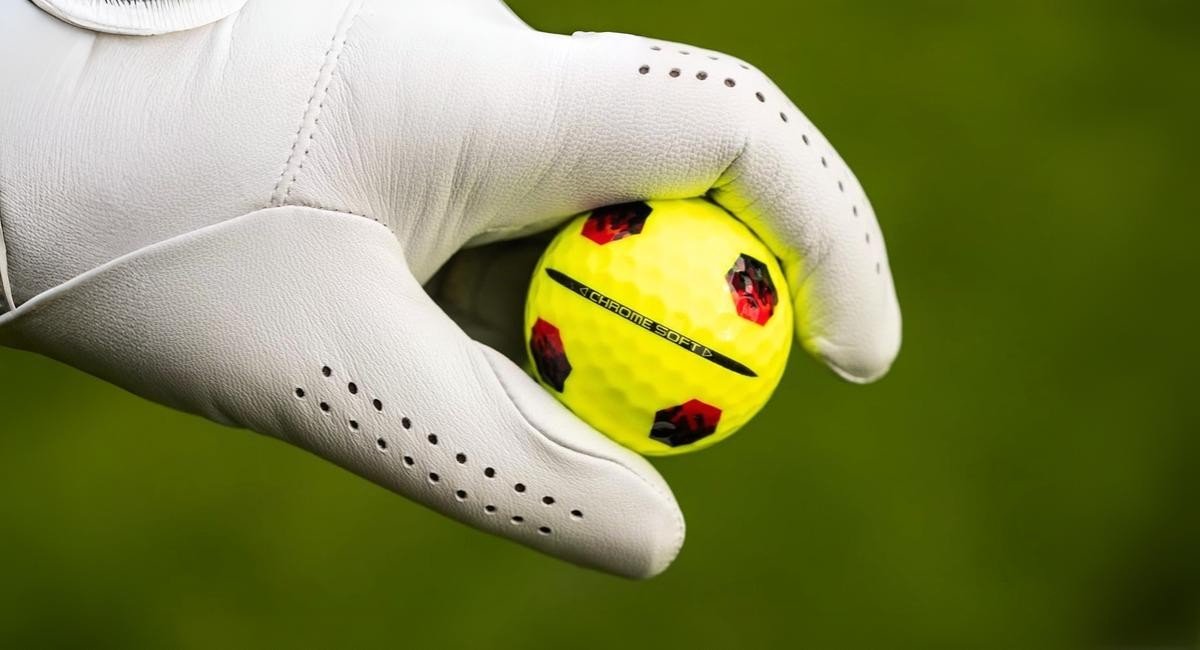
Titleist Pro V1 vs Callaway Chrome Soft

  • Your swing speed is under 95 mph
  • You want a softer feel from tee to green
  • You play in calm conditions
  • You’re an intermediate golfer stepping up to a tour ball

My sincere lesson

Choose Chrome Soft if you prioritize soft feel, play in calm conditions, and swing under 100 mph. Choose Pro V1 if you value iron control, need reliable wind performance, and trust the most battle-tested ball in professional golf.

Either way both are exceptional. You won’t go wrong with either one. What matters is matching the ball to your swing, not the brand on the box.

FAQs

Is the Callaway Chrome Soft as good as the Titleist Pro V1?
Yes, for most amateur golfers, performance is nearly identical. Ball speeds sit within 1 mph of each other and carry distance separates by just one yard in testing. The real differences are in feel (Chrome Soft is softer), wind performance (Pro V1 is more stable), and driver spin (Pro V1 is lower). Neither is objectively better, it depends on your swing speed and priorities.

Which ball is better for slower swing speeds?
Chrome Soft is better for swing sppeds. Its lower compression rating of 75 helps slower swingers compress the ball properly at impact, generating more distance and a higher launch. Pro V1’s compression of 87 suits swing speeds of 95 mph and above.

Which ball spins more around the greens?
Chrome Soft edges Pro V1 slightly on wedge shots at approximately 8,100 rpm vs 8,000 rpm but the difference is marginal. Both use cast urethane covers and both deliver excellent greenside spin. Short game performance won’t be the deciding factor between these two.

Is Pro V1 worth the extra money over Chrome Soft?
At similar price points (~$55 vs ~$57 per dozen), the decision isn’t really about money. Pro V1 offers better durability, lower driver spin, and more reliable wind performance. Chrome Soft offers softer feel and slightly better performance for moderate swing speeds. Buy based on which fits your game, not which costs less.

Which ball do Tour players use more?
Titleist Pro V1 leads significantly. Pro V1 and Pro V1x combined account for roughly 65–70% of PGA Tour ball usage. Callaway’s Chrome Tour (the tour-spec version) accounts for approximately 15–20%. The Chrome Soft is the consumer version. Chrome Tour is what most Tour players actually use.

Can a high handicapper play Pro V1?
Technically yes, but it’s not the best fit. Pro V1’s firmer compression and lower spin profile is optimized for faster, more consistent swings. A high handicapper is unlikely to compress it properly at slower swing speeds, which means less distance and less benefit from the urethane cover. Chrome Soft or a budget urethane ball is a better use of money at that stage.

Which ball is better in cold weather?
Chrome Soft. Lower compression balls maintain elasticity better when temperatures drop, preserving energy transfer at impact. Pro V1’s higher compression can feel noticeably harder in cold conditions, reducing both feel and distance. If you regularly play in temperatures below 60°F, Chrome Soft is the better choice.

How long does each ball last?
Pro V1 generally lasts longer. Independent durability testing shows Pro V1 maintaining consistent performance over 40-50 rounds before cover wear affects spin. Chrome Soft scuffs more visibly after contact with cart paths and hard surfaces, though spin retention holds up reasonably well through multiple rounds of normal play.

Leave a Comment

Your email address will not be published. Required fields are marked *

Scroll to Top

Discover more from Sincere Golfer

Subscribe now to keep reading and get access to the full archive.

Continue reading