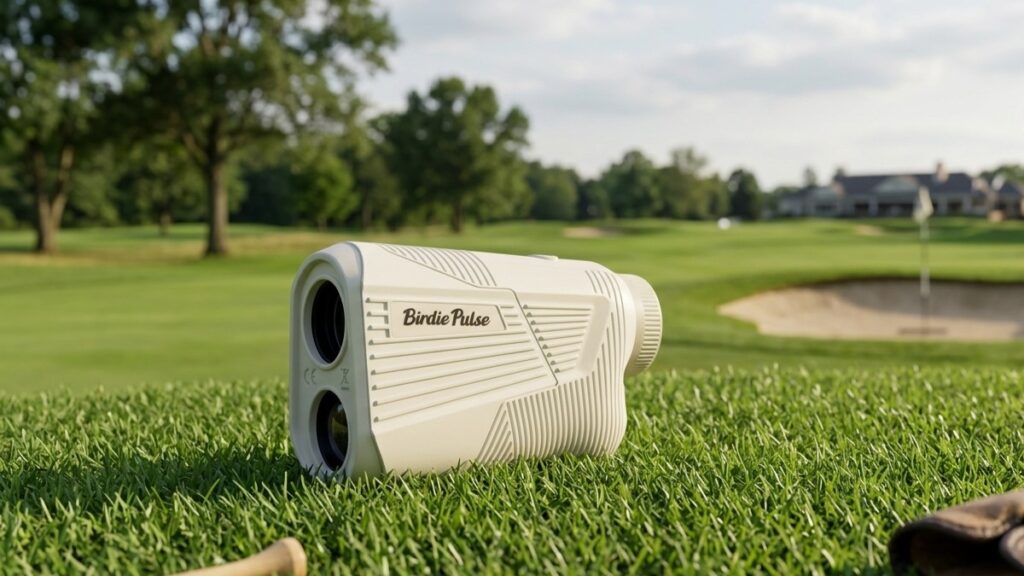
Quick Overview
The BirdiePulse rangefinder is a laser golf rangefinder made for everyday golfers – beginners to mid-handicappers – who want accurate yardages without spending a fortune. Here’s a quick snapshot:
- Spec Details
- Range – 5 to 1300 yards
- Accuracy – ±0.5 yard
- Magnification – 6 to 6.5x adjustable
- Flag-Lock Range – Up to 300 yards (with vibration)
- Slope Mode – Yes – toggle on/off (tournament legal)
- Display – HD LCD
- Charging – Type-C USB (rechargeable battery)
- Units – Yards / Meters / Feet
- Weight – 120 grams
- Magnet – Built-in magnetic strip
- Warranty – 1 year manufacturer warranty
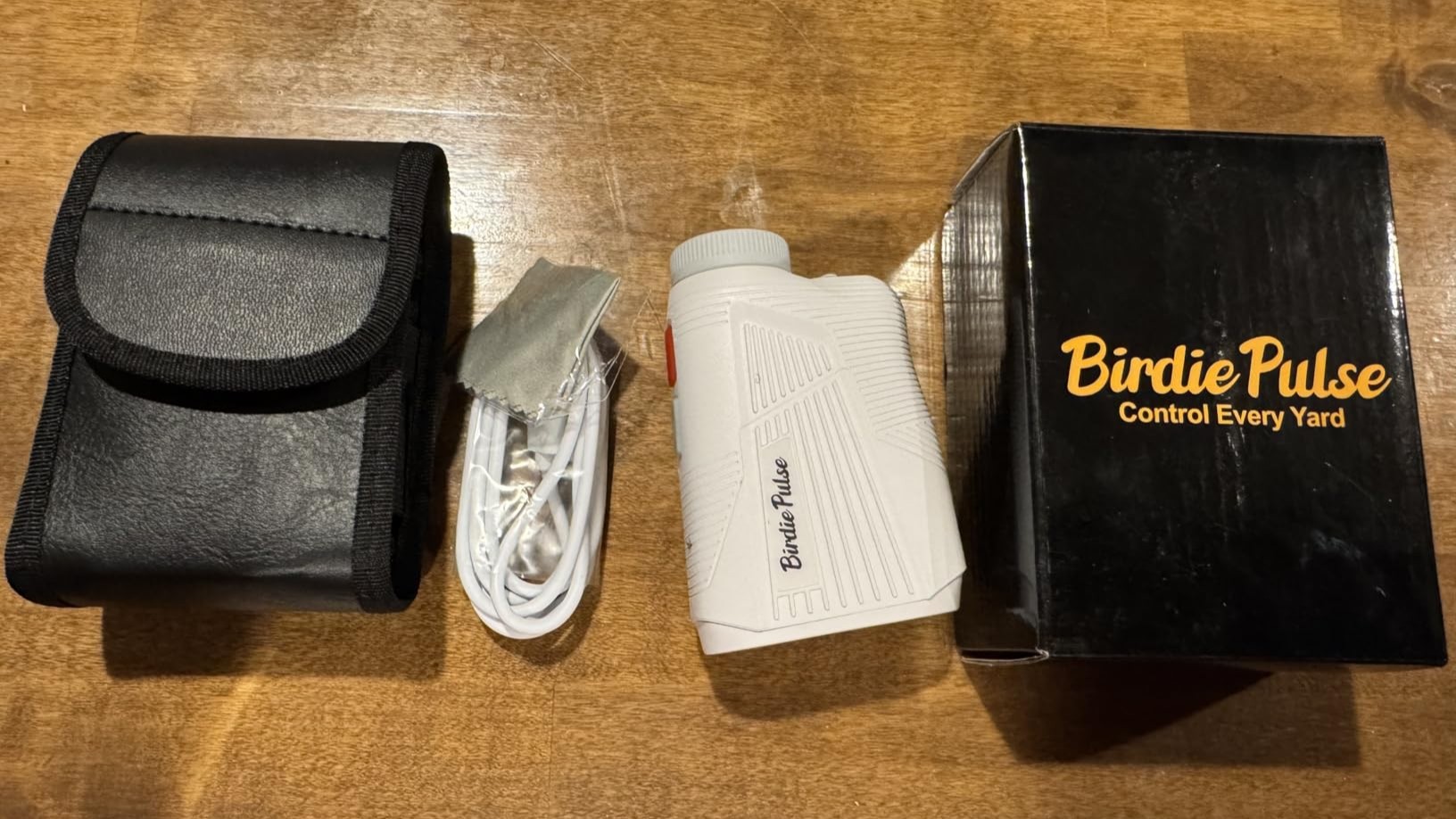
Design & Build Quality
The BirdiePulse doesn’t try to look flashy. It comes in a clean white finish and has a compact, rounded body that sits comfortably in the palm of your hand. At 120 grams, it’s genuinely light – you can carry it in your shorts pocket without it dragging you down.
The build material is plastic, which is the honest answer to why it costs less than a Bushnell. That’s not necessarily a bad thing – the plastic feels solid, not cheap, and the optical components inside are premium. But if you’re the kind of person who wants a metal-body device, you won’t find that here.
One design feature that actually impressed us is the built-in magnetic strip. It sticks strongly to metal surfaces – golf cart frames, club heads, bag rails – and holds firmly while you’re riding between holes. No more shoving it in your pocket and fishing it out every 5 minutes. That one feature alone makes on-course use much more convenient.
The eyepiece is ergonomically shaped with a soft rubber surround, which helps reduce hand shake when you’re lining up a shot. The single “M” button on the body handles everything – mode switching, scanning, angle measurement – keeping the interface clean and simple.
One area where it falls short of premium rivals is dust and water resistance. There’s no stated IP rating, which means it’s not officially tested for rain or splashes. Light drizzle will probably be fine, but we wouldn’t recommend using it in a downpour or leaving it exposed in heavy weather.
On-Ground Performance
This is the section that really matters. A rangefinder can have all the features in the world, but if it doesn’t perform on the course, none of it counts. Here’s a breakdown of each major function:
Measuring Distance
The BirdiePulse golf rangefinder measures distances between 5 and 1300 yards with a stated accuracy of ±0.5 yards. In real-world use, this holds up well for the majority of shots you’ll take. From 50 to 400 yards – where 90% of your yardage decisions happen – readings are fast and consistent.
At very long distances (700+ yards), laser rangefinders in general can struggle depending on lighting and target reflectivity. The BirdiePulse performs reasonably at these distances for a device in its price range, though dedicated premium optics will edge it out for extremely long measurements. For golf purposes, that’s rarely a concern.
Flag-Lock with Vibration
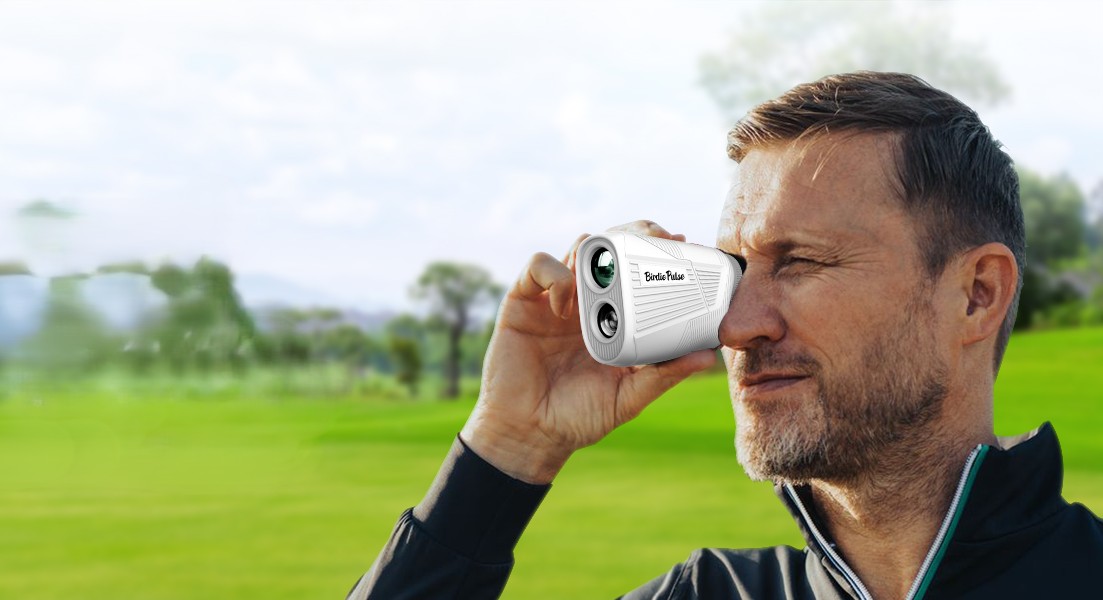
The flag-lock feature works well. Point the device at a flag within 300 yards, hold the button, and when it locks on you get a short vibration buzz – a clear, tactile confirmation that you’ve got the right target and not a tree or background object behind the pin.
Multiple real users confirmed this works quickly and reliably: “It locks onto the pin quickly and gives a clear vibration so you know you’ve got it.” That kind of instant feedback is genuinely useful, especially in bright sunlight when squinting at a small screen is the last thing you want to be doing.
The 300-yard flag-lock range covers the vast majority of approach shots in golf. For longer holes where you’re measuring from the tee, you’ll use general scanning mode rather than flag-lock, which is normal for any rangefinder.
Slope Mode
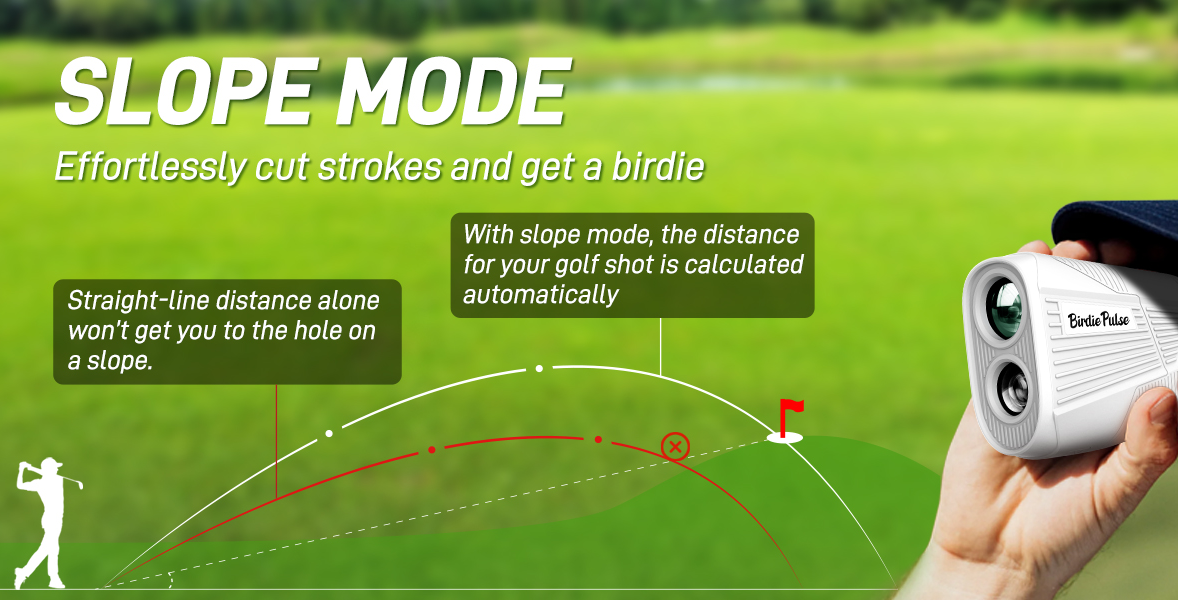
The slope compensation feature is one of the standout performers here. When slope mode is on, the device measures the elevation difference between you and your target and gives you an adjusted yardage – essentially telling you what the equivalent flat distance would be for club selection.
Golfers who play hilly or undulating courses will feel this immediately. An uphill shot to a pin that’s 150 yards away flat might actually play like 165 yards. Slope mode shows you that. Users specifically noted: “the slope feature makes a noticeable difference when judging uphill or downhill shots.”
Importantly, you can switch slope mode off with the physical toggle. With slope off, the device is tournament compliant under USGA and R&A rules – so you can use the same rangefinder in both casual rounds and competitive play.
Display and Optics
The HD LCD display is bright and readable in most conditions – morning rounds, overcast days, and moderate sun are all handled well. Several users praised it for being “bright and easy to read in both sunny and overcast conditions.”
The 6 to 6.5x adjustable magnification lets you zoom in on distant flags clearly. This is a useful range – 6x is enough to pick out a flag at 200+ yards without the image shaking too much from hand movement.
In very harsh direct sunlight, the LCD may lose a little edge compared to OLED displays found on higher-end models. It’s still perfectly functional, but if you play a lot of midday golf in very sunny climates, this is worth noting.
Battery and Charging
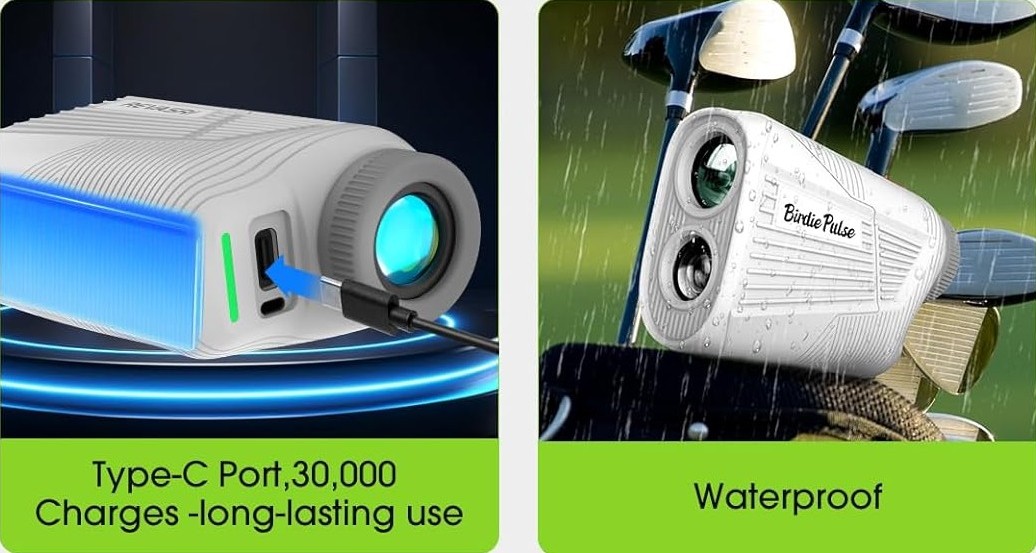
Switching from disposable AAA batteries to a built-in rechargeable Type-C battery is a genuine quality-of-life upgrade. You charge it like your phone, and it’s ready to go. Users report solid battery life across multiple rounds before needing a recharge. No more buying batteries or finding out you’re out of power mid-round.
Ease of Use
The BirdiePulse rangefinder wins big in this department. There’s exactly one button – the “M” button – and it does everything. Press once to measure, hold to scan continuously, press to switch modes. That’s it. You don’t need to read manual to figure this out. One experienced golfer put it perfectly: “I used to rely on apps and constantly pull out my phone to check yardage – this device makes everything so much smoother and faster.”
If you’ve never used a rangefinder before, you’ll be comfortable with this one in your very first round. And if you’ve used other rangefinders, the transition is seamless. No confusing sub-menus, no hidden settings, no steep learning curve.
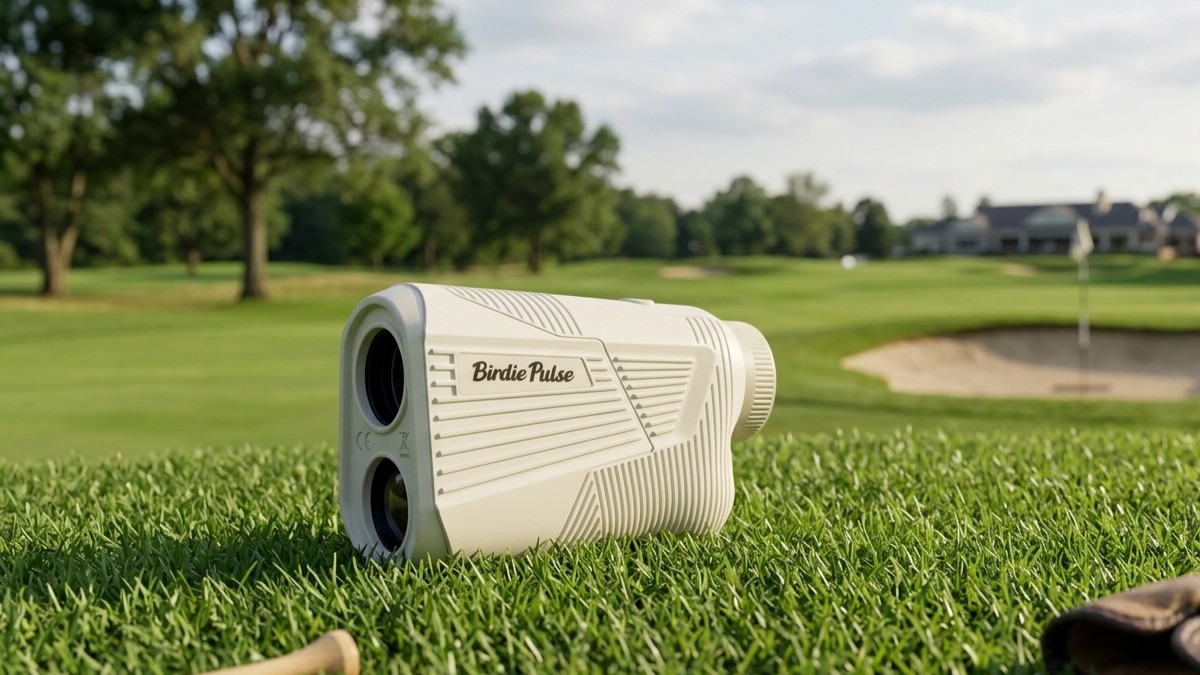
BirdiePulse Golf Rangefinder Review 2026
BirdiePulse golf rangefinder with slope & magnet, 1300-yard range, flag-lock vibration, 6–6.5× magnification, HD LCD and rechargeable battery for fast, accurate distance on the course. ⛳
Since 1764 The Story of Golf Courses
Explore the history, design, types, and features of golf courses since 1764. Also, you can know about greens, hazards, signature holes, and golf shaped the game over centuries….
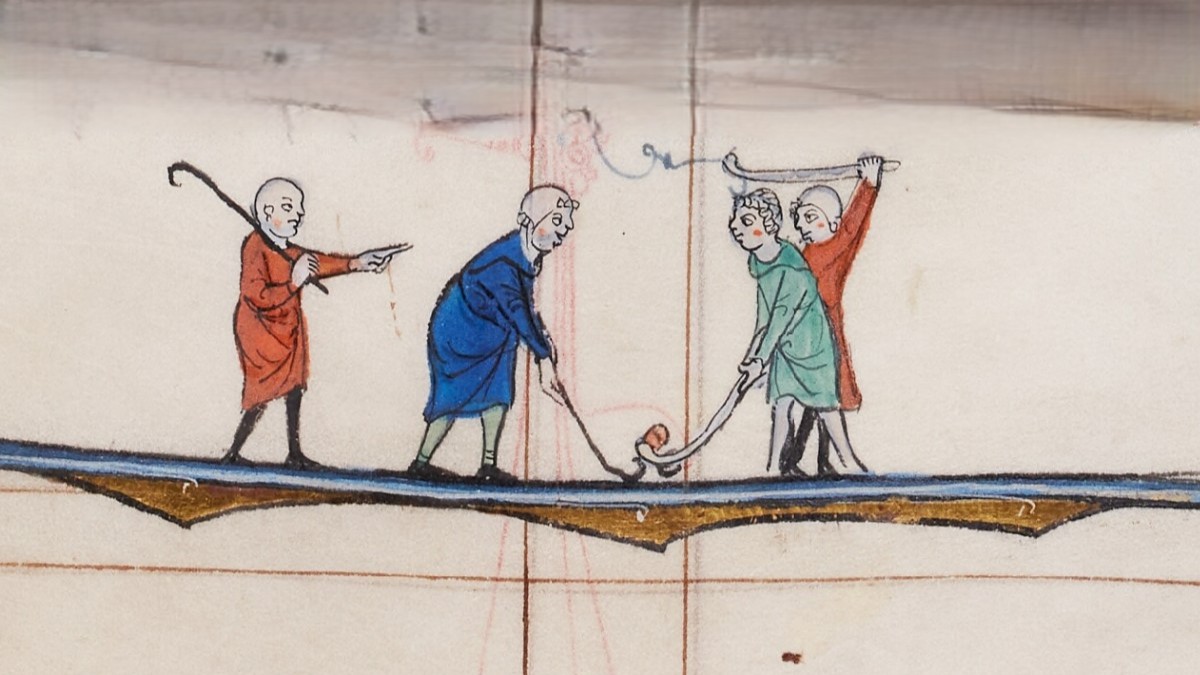
Golf History that how the game began in the 1457
Explore Golf History from 1457 when it was banned in Scotland to 1502, how the 18-hole course at St Andrews in 1764 shaped the modern game….