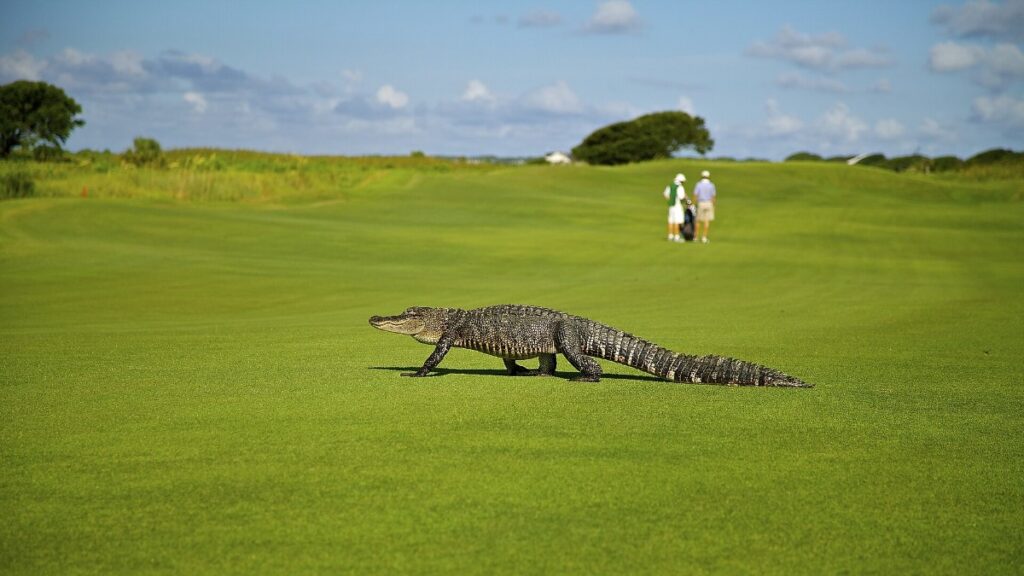
A golf course is where the sport of golf is played. It’s a carefully designed stretch of land made up of a series of holes – typically 18 of them. Each hole has three key parts: a tee box (where you start), a fairway (the path to the green), and a putting green (where the cup and flagstick sit).
The cup – also called the “hole” – is exactly 108mm (4.25 inches) wide and at least 10cm deep. The flagstick marks it so you can see it from a distance.
Most courses also include hazards like sand bunkers and water features, rough grass around the fairway, and sometimes a driving range for practice.
A Brief History of Golf Courses
Golf courses have roots going back to the 18th century. The world’s most famous course – the Old Course at St Andrews in Scotland – was established in 1764 and has carried its current name since 1895. It set the standard for the 18-hole format we use today.
Fast-forward to 2009: Nullarbor Links in Australia became the world’s longest golf course, stretching an incredible 1,365 kilometres along the Eyre Highway.
Then in 2023, the golf course at Moundbuilders Country Club was integrated into the UNESCO World Heritage-listed Hopewell Culture National Historical Park – a remarkable blend of sport and ancient history.
How a Golf Course Is Designed
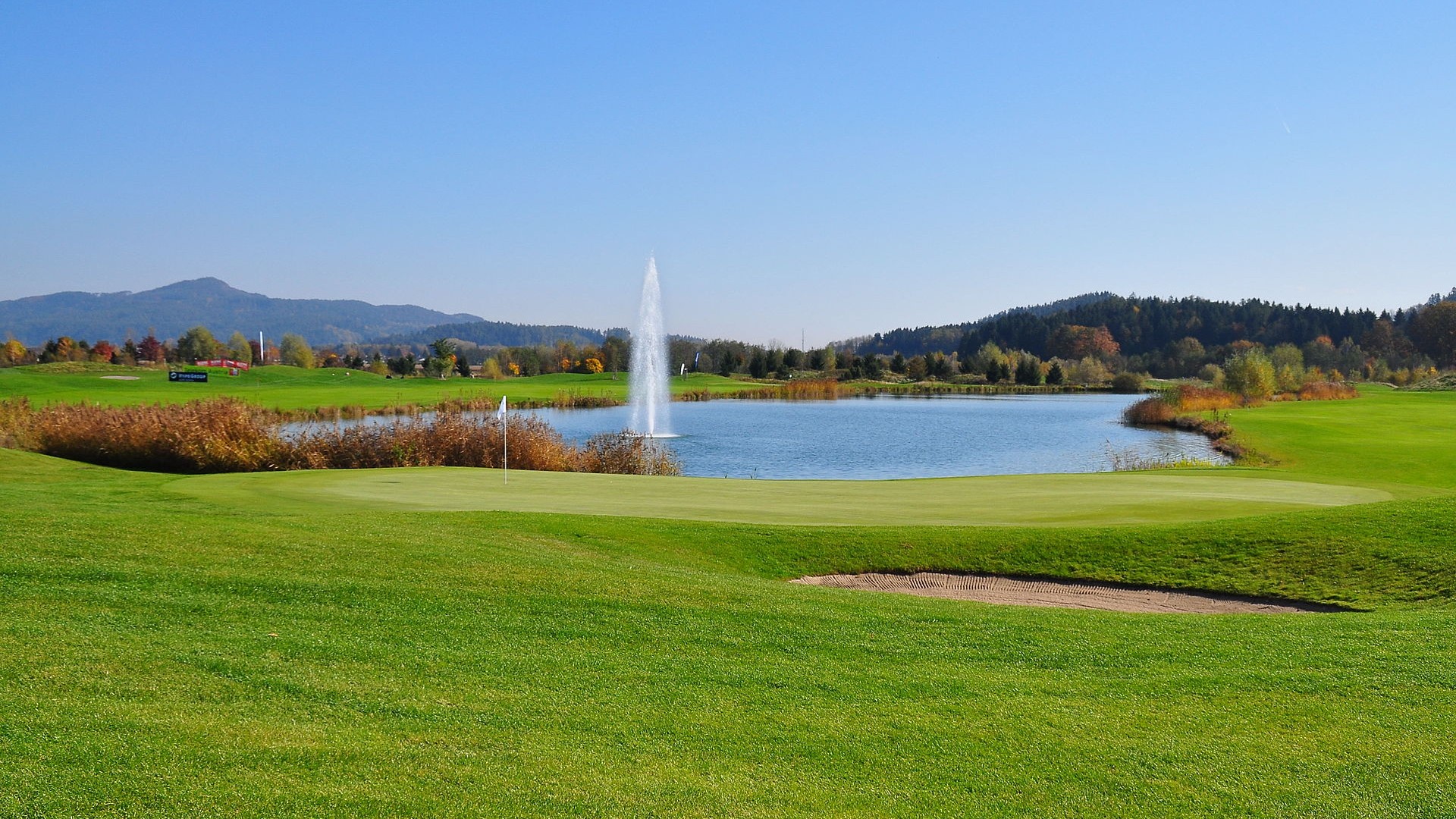
Golf course architecture is its own field – a fascinating mix of landscape design, strategy, and creativity. Famous designers include Alister MacKenzie and Jack Nicklaus, who went from playing golf to shaping the courses themselves.
The field is represented by organizations like the American Society of Golf Course Architects and the European Institute of Golf Course Architects, though many top designers choose not to join any formal body.
A well-designed course follows practical principles: greens should be close to the next tee box (to save walking time), shorter and longer holes should alternate, and the layout should fit the natural land as much as possible. Bunkers are almost always added by architects unless the terrain already provides natural hazards.
What makes a great design? It should be visually beautiful, fun to play, and increasingly kind to the environment. Modern design thinking prioritizes sustainability alongside aesthetics.
Scoring Standard
Par is the number of strokes a skilled golfer is expected to need for each hole. It’s based mainly on distance, and holes are rated par-3, par-4, or par-5. Some courses have par-6 holes, and two courses in Japan (Ananti CC and Satsuki) even have par-7 holes.
Men’s tees:
- Par 3 – under 260 yards
- Par 4 – 240 to 490 yards
- Par 5 – 450 to 710 yards
Women’s tees:
- Par 3 – under 220 yards
- Par 4 – 200 to 420 yards
- Par 5 – 370 to 600 yards
Par accounts for two putts on the green, plus enough strokes to reach it based on distance.
The Anatomy of a Golf Course
The Tee Box
Every hole starts at the tee box – a level, closely mown area with two markers showing the legal hitting zone. Multiple tee boxes exist at different distances for men, women, and beginners. You can tee the ball up on a peg (max 4 inches high) or hit it directly off the grass.
The Fairway and Rough
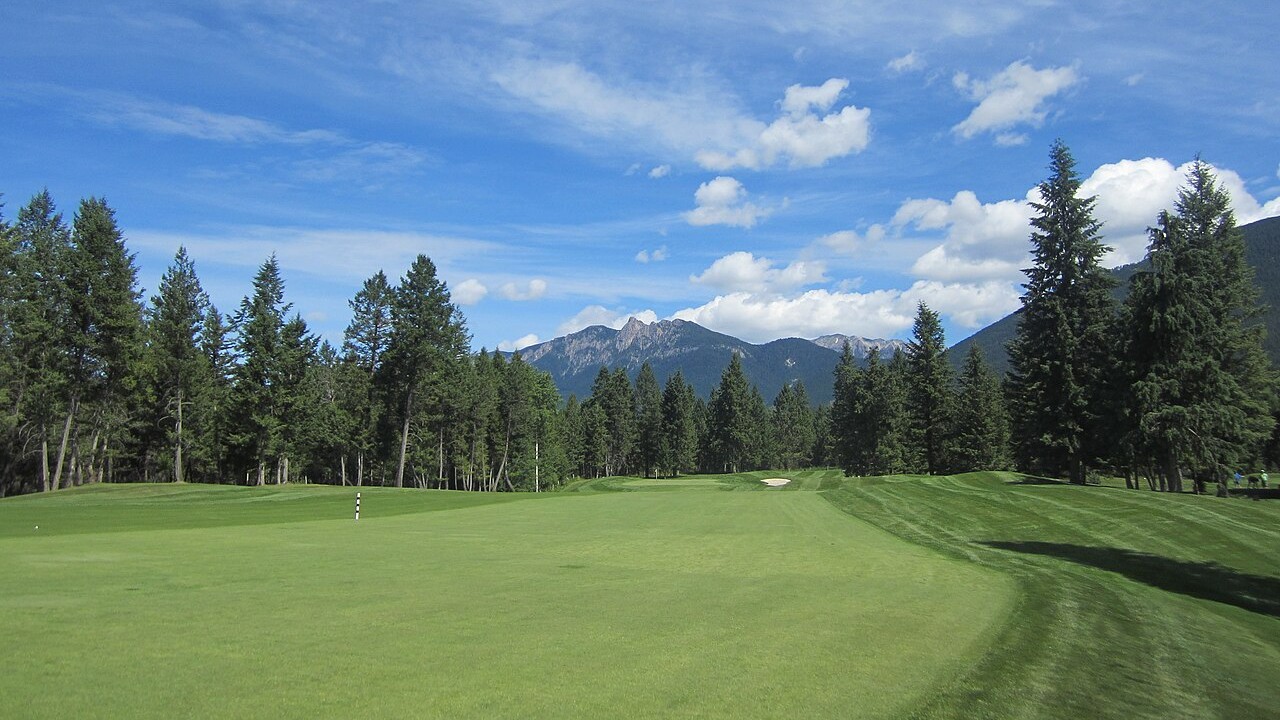
The fairway is the short, even grass between the tee and the green – your ideal path. The rough surrounds the fairway with taller, coarser grass that makes shots harder. After teeing off, the player whose ball is farthest from the hole hits next.
Holes that bend left are called dogleg left; bend right is dogleg right. Some bend twice – a double dogleg.
The Greens
The putting green is ultra-short grass designed for precision putting. The shape, slopes, and speed of a green vary hugely. Golfers “read the green” – studying its slope and grain – before putting.
Green speed is measured with a stimp meter. “Fast” greens need a light stroke; “slow” greens need more power.
Common grass types include bent grass (best for colder climates, no grain, used at Augusta National) and Bermuda grass (better for warm climates but has grain that affects ball roll).
Hazards
Two main types: water hazards (ponds, lakes, rivers) and bunkers (sand traps). Special rules apply – you can’t touch the sand or water with your club before hitting, and some penalties apply if you can’t play the ball as it lies.
The Driving Range
Most courses include a practice range where you can work on your swing, measure distances, and warm up before a round.
The Signature Hole
Every great course usually has one unforgettable hole – the most scenic, challenging, or photogenic. This is the signature hole, and it’s often what a course is remembered by.
Types of Golf Courses
Links Courses
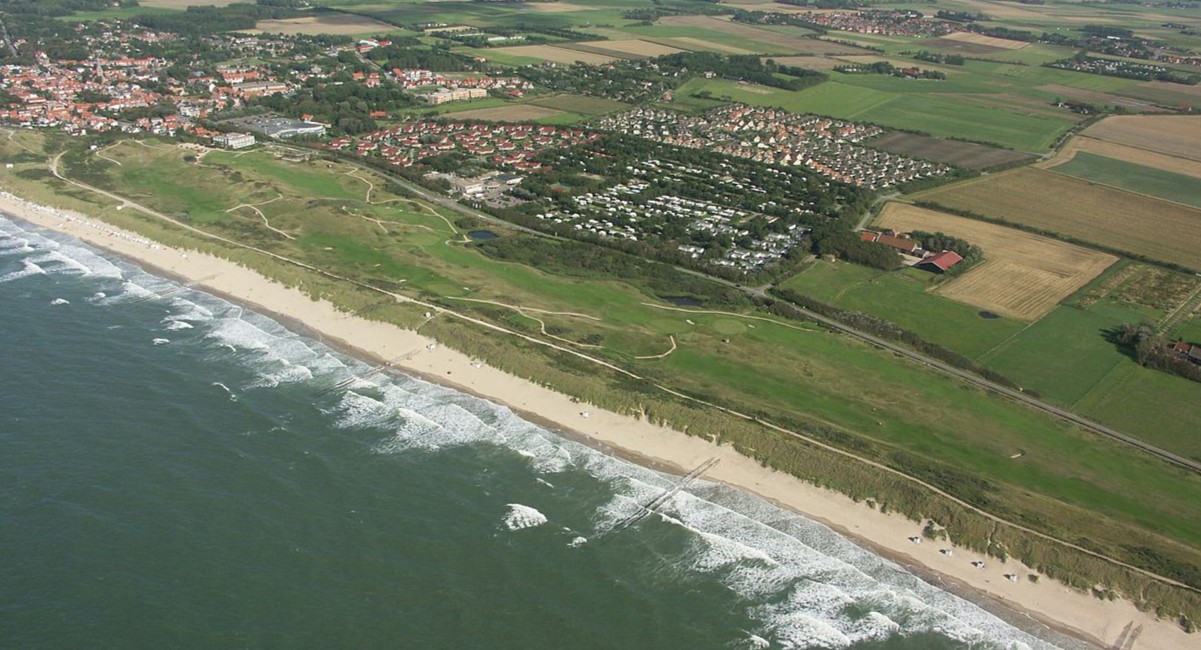
The original golf courses. “Links” comes from the Old English word hlinc (rising ground/ridge) and describes coastal sand dune terrain. Scotland’s central eastern coast is where golf has been played since the 15th century.
Links land was too sandy for farming, so it became common land – and then golf land. Wind and weather are huge factors. Famous links include the Old Course at St Andrews (the “Home of Golf”) and Musselburgh Links, considered the world’s first recorded course. The Open Championship – golf’s oldest major – is always played on a links course.
Executive / Short Courses
Shorter courses designed for a quicker game. They often have just 9 holes, or only par-3 holes. Popular with busy professionals who want to squeeze in a round during a long lunch. Pitch and Putt is the most compact version – holes under 90 meters, max 3 clubs allowed.
Par-3 Courses
Every hole is a par-3 (under 240 yards). Total par for 18 holes is 54 instead of the usual 68-72. Great for beginners or quick rounds.
Who Owns Golf Courses?
Private – Owned by a golf club for its members, not for profit. Some (like Augusta National) are highly exclusive. Others welcome visitors with advance booking.
Commercial – Run for profit by private companies. Can be attached to hotels, resorts, or real estate developments. Examples: Pinehurst (US) and Gleneagles (Scotland).
Municipal – Owned by local governments for public use. St Andrews and Pebble Beach fall into this category. Management is sometimes contracted out to commercial operators.
Golf Courses Around the World
As of 2019, there were 38,864 golf courses worldwide. A striking 78% of them are concentrated in just 10 countries.
The USA leads by a huge margin with 16,752 courses (43% of the world total), followed by Japan (3,169), Canada (2,633), and England (2,270). The rest of the top 10 includes Australia, Germany, France, South Korea, Sweden, and Scotland.
Environmental Impact of Golf Courses
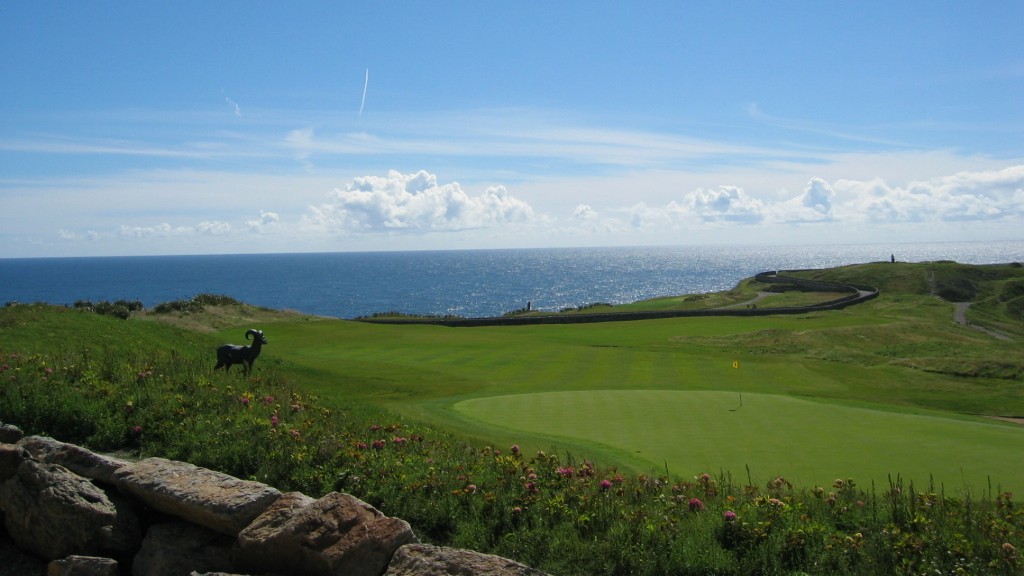
This is where things get complicated. Golf courses take up enormous land and resources – but the industry is actively working to improve.
Water use is the biggest issue. The USGA reported US courses used about 2.08 billion gallons of water per day for irrigation (2012 data). Globally, the UN estimates 2.5 billion gallons per day worldwide. However, a 2025 study found US courses now use 31% less water than in 2005, largely thanks to smarter irrigation technology.
Pesticides and fertilizers can run off into waterways, causing algae blooms and ecosystem damage. The EPA banned Diazinon on golf courses in 1988 due to its harm to birds.
Carbon footprint is significant – courses now average 7,500+ yards (up from 7,000) due to modern equipment, requiring more land and maintenance.
On the positive side: courses create green spaces that support biodiversity, and well-managed turf can filter grey water. Audubon International runs a certification program for environmentally responsible courses. In November 2022, four Saudi Arabian courses were certified by the GEO Foundation for sustainability commitments.
Abandoned Golf Courses
Over 1,500 golf facilities closed in the US in the early 21st century. Similar trends hit Asia and Australia as participation dropped and land costs rose.
When courses close, abandoned infrastructure can stagnate water systems and invite invasive plant species. But there’s an upside – many former courses are being converted into public parks, wetlands, community greenways, and nature preserves.
Since 2010, at least 20 defunct US courses have become public parks or natural areas. One example: Rancho Vistoso Golf Club in Arizona closed in 2018 and became a 202-acre nature preserve with hiking trails. In Japan and South Korea, closed courses have been repurposed for solar farms and agricultural land.
FAQs About Golf Courses
How many holes does a standard golf course have?
18 holes is the standard. There are also 9-hole courses, and some non-standard layouts with 12 or 14 holes.
What is par in golf?
Par is the expected number of strokes a skilled golfer needs to complete a hole. Most holes are par-3, par-4, or par-5 depending on their length.
What’s the difference between a fairway and the rough?
The fairway is the short, even grass between the tee and the green – the ideal zone. The rough is the longer, coarser grass around it, which makes shots harder.
What is a links golf course?
A links course is built on coastal sandy terrain – the original type of golf course from Scotland. They’re treeless, wind-exposed, and typically have deep bunkers. The Open Championship is traditionally contested on a links-style course.
How much water does a golf course use?
A lot – but it’s improving. US courses used about 2.08 billion gallons per day in 2012, but that’s dropped 31% since 2005 thanks to better irrigation practices.
What is a signature hole?
It’s the most memorable, scenic, or photographed hole on a course – the one the course is most famous for.
Can anyone play on a private golf course?
Not always. Some private courses are invitation-only (like Augusta National). Others allow visitors at certain times with advance booking and proof of skill.
What happens to closed golf courses?
Many are converted into parks, nature preserves, wetlands, or even solar farms. It varies by location and local policy.
What is the world’s longest golf course?
Established in 2009, Nullarbor Links in Australia stretches 1,365 kilometres along the Eyre Highway.
What makes a green “fast” or “slow”?
A fast green means the ball rolls a long way with a light stroke. A slow green needs more force. Green speed is measured using a device called a Stimpmeter.
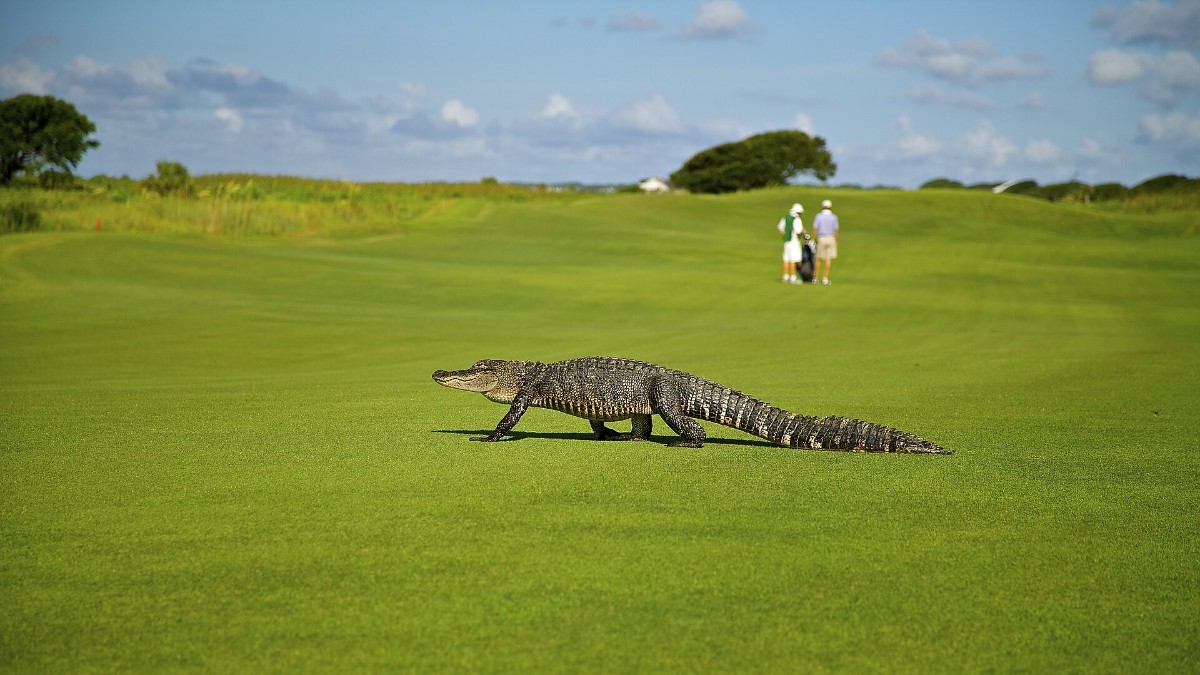
Since 1764 The Story of Golf Courses
Explore the history, design, types, and features of golf courses since 1764. Also, you can know about greens, hazards, signature holes, and golf shaped the game over centuries….
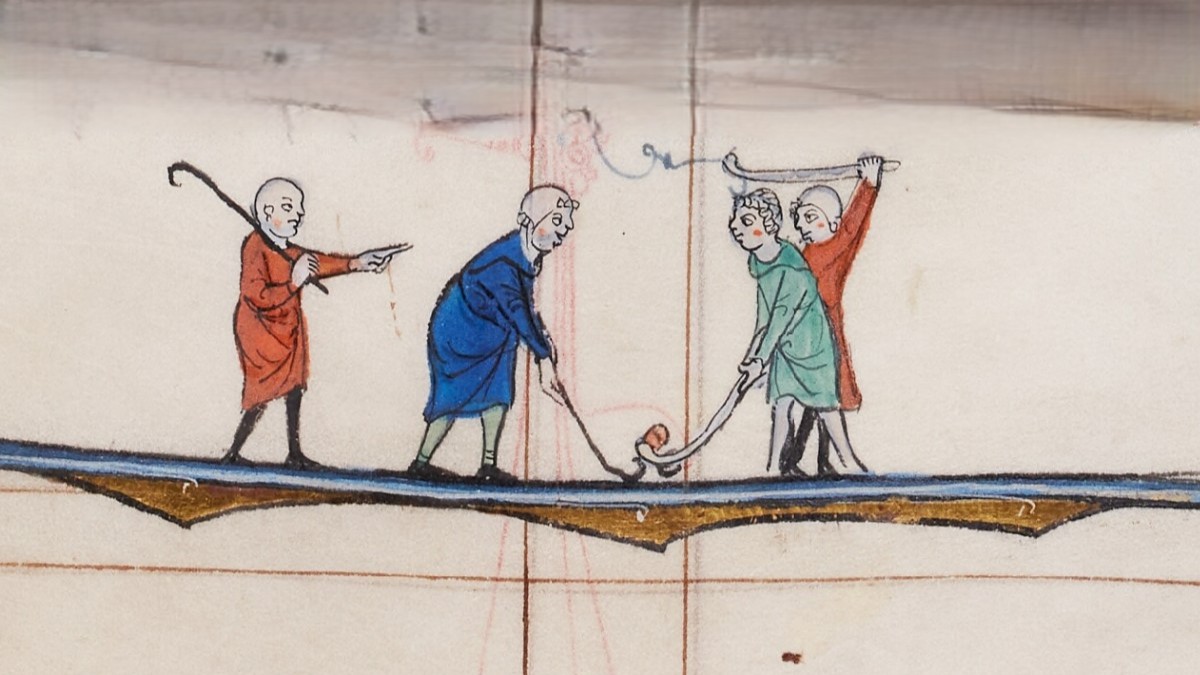
Golf History that how the game began in the 1457
Explore Golf History from 1457 when it was banned in Scotland to 1502, how the 18-hole course at St Andrews in 1764 shaped the modern game….
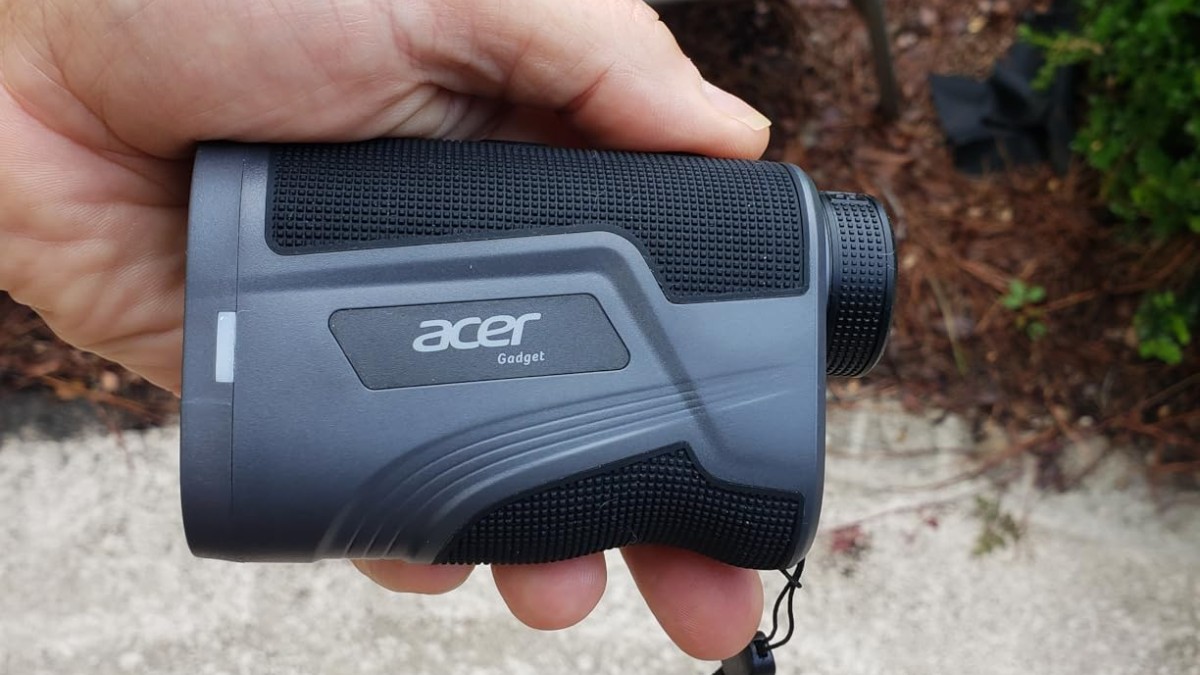
Expert review: Acer Gadget Golf Rangefinder with Slope
I play with the Acer Gadget Golf Rangefinder with Slope – accurate, rechargeable, and perfect for golfers and hunters seeking precision. Best value in 2026…