
Virtual and Simulator Golf in 2026
I see virtual and simulator golf as a normal part of golf life in 2026. Golfers talk about “going to the sim” just like going to the range or course now.
You hit into a screen and instantly get numbers like ball speed, launch, spin, and carry, so you’re not guessing what your swing is doing. That helps you quickly see what shots you hit well and where you’re missing.
The best part is how flexible it is: people in busy cities or with bad weather can still play in a garage, studio, or indoor bay in short 30-45minute sessions. You work on your swing and numbers indoors, then take that confidence and feel back onto the real course.
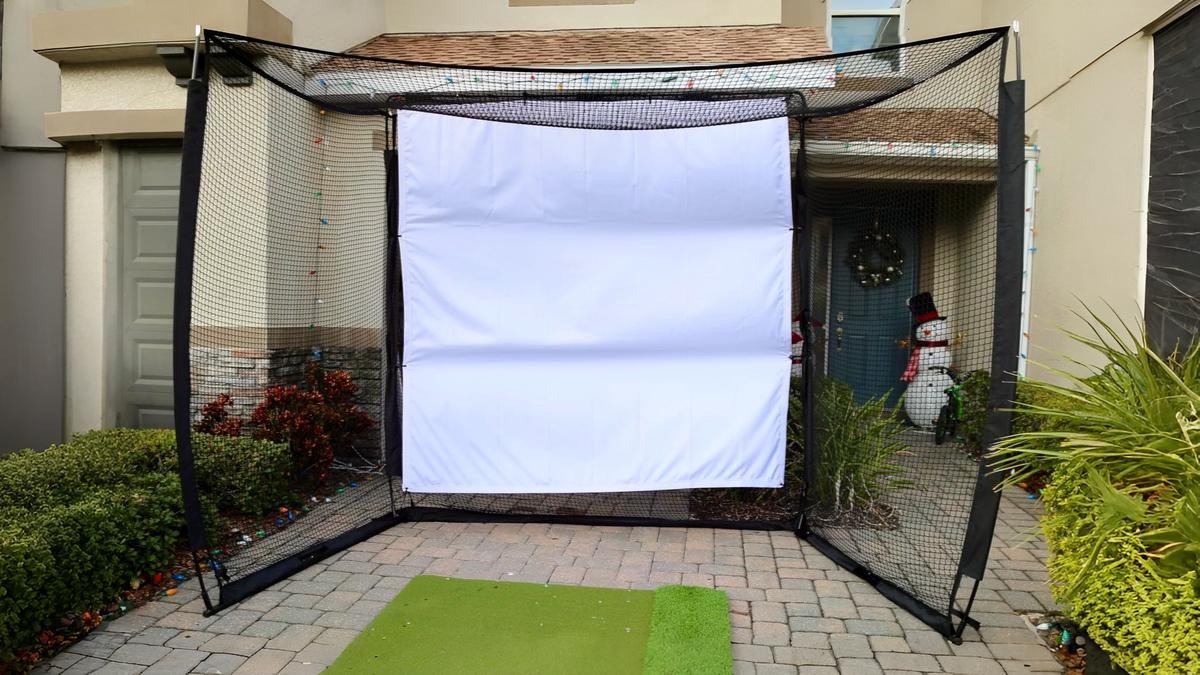
Why Simulator Golf Is Rapidly Growing
Simulator golf is growing fast because it solves real problems for everyday golfers, not just tech‑obsessed players.
More people have busy schedules, live in cities, or deal with bad weather, so getting four or five hours for a full round is hard. Simulator golf fits into short 30-60 minute sessions, so you can practice or “play 18” after work, late at night, or during the off‑season without leaving town.
It’s also easier and less stressful for newer golfers. You can work on your swing indoors without worrying about people watching, losing balls, or slowing down a group, which makes starting the game feel a lot more comfortable.
On top of that, the value is strong: one simulator bay can be used for lessons, practice, leagues, social nights, and even parties, so businesses and coaches are pushing it hard because it brings in steady, year‑round income. That mix of convenience, comfort, and good value is why simulator golf keeps growing so quickly.
AI riven Practice and Performance Data
I like how AI turns practice from guessing into something you can actually measure and trust. Modern simulators and apps now read your swing and ball flight in real time, then translate that into simple patterns you can understand: where you’re losing distance, why the ball curves, and which swings you repeat the most.
I also like that AI doesn’t just show numbers; it starts to act like a smart coach. It can highlight your main weaknesses, suggest drills, and track how you improve over weeks or months so you know if your practice is actually working, not just feeling good in the moment.
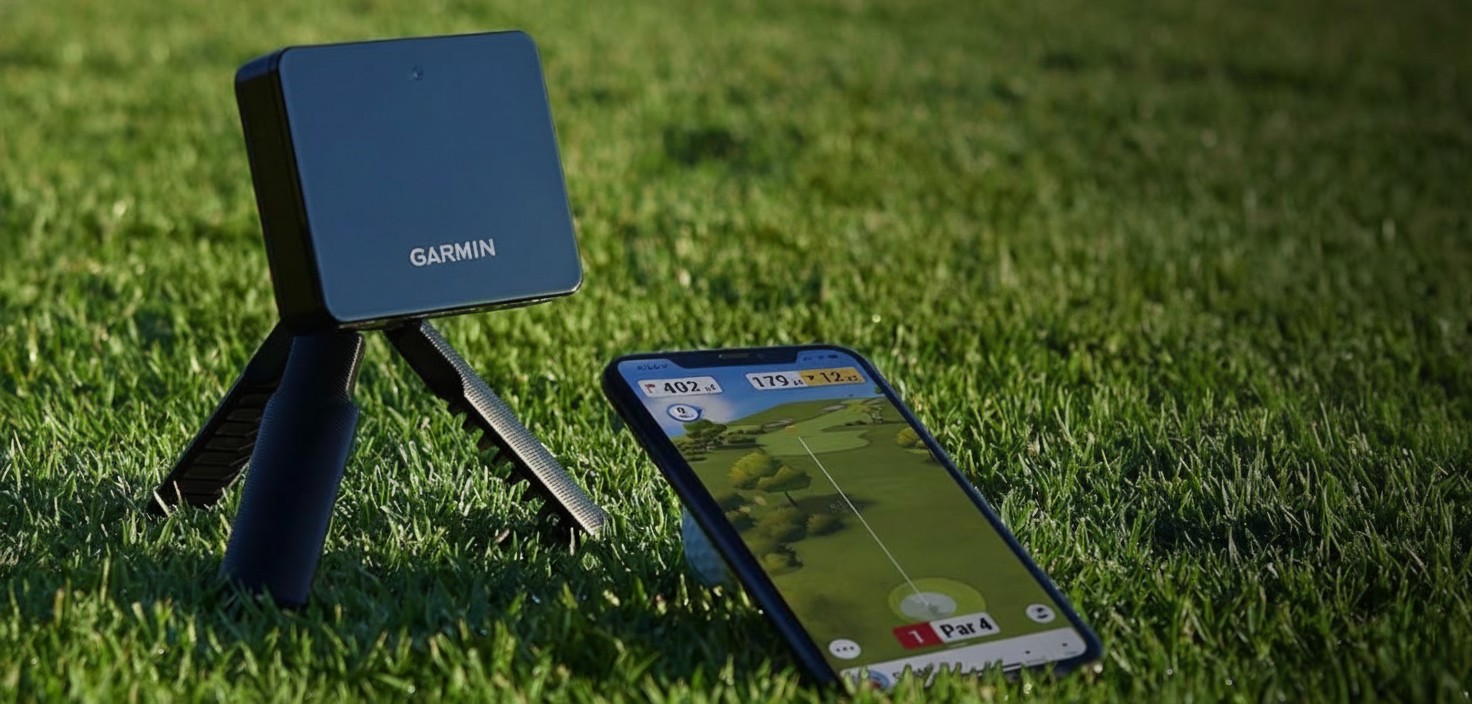
Immersive Graphics, VR, and Multi-Sport Play
I enjoy how much more “real” simulator golf feels now compared to a few years ago. Courses are rendered in high detail, ball flight looks natural, and with a big impact screen or projector it starts to feel like you’re actually standing on the hole instead of just looking at a basic video game.
I also like what VR adds on top of that. With a headset, you can turn your head, see the fairway, look back at the tee, and walk the green in a way that’s much closer to being on a real course, even if you’re just in a small room at home.
On the fun side, multi‑sport modes make the same setup useful for more than just golf. You can switch to soccer, baseball, or other target games so friends, kids, and non‑golfers can jump in and play, which makes the whole system easier to justify and a lot more social.
Online Leagues, Indoor Centers, and New Golf Businesses
I like how simulator golf has turned practice into a social thing through online leagues and events. You can join weekly leagues, play “virtual” tournaments, and compare scores with golfers in other cities or even other countries, all without leaving your local bay or home setup.
I also see more indoor golf centers popping up, mixing serious practice bays with food, music, and casual leagues. These places run lessons, corporate events, and late‑night leagues, so they stay busy all year and create new jobs for coaches, fitters, and operators.
On top of that, a whole wave of new golf businesses has grown around this space: installers, software providers, data‑driven coaching services, and content creators who focus only on simulator gear and setups. It’s not just a new way to practice; it’s becoming its own mini‑industry inside the game.
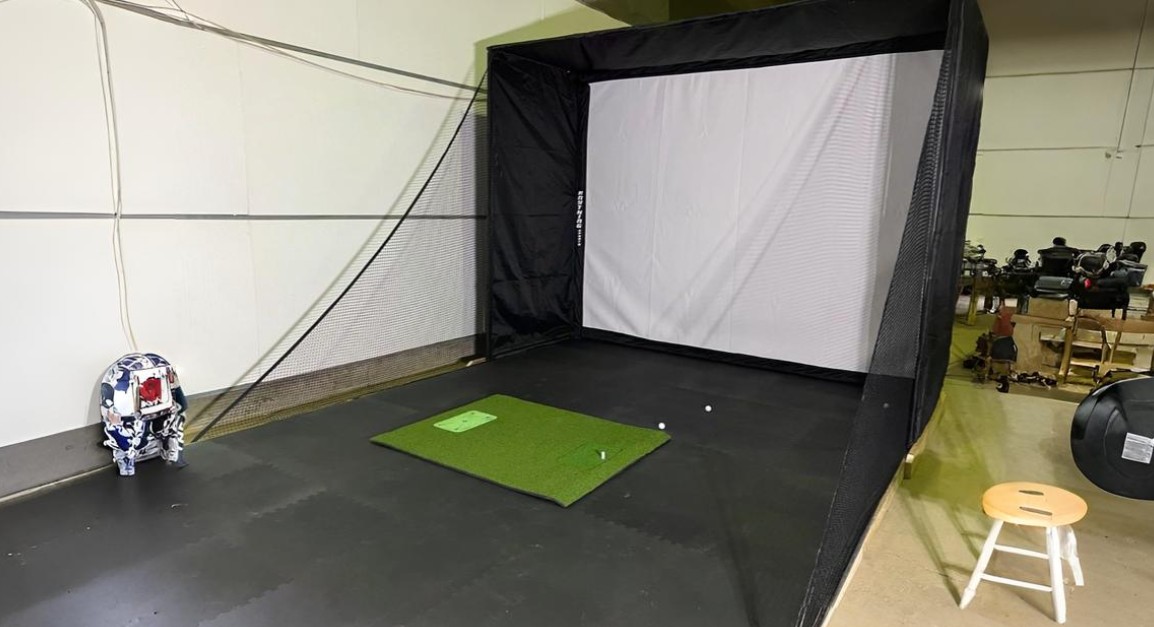
Accessibility, Limitations, and the Future of Virtual Golf
Virtual golf has opened the door for a lot more people to get into the game. It helps beginners, busy players, and golfers in bad‑weather areas practice and “play” without worrying about tee times, dress codes, or feeling embarrassed on a real tee box.
There are still limits, though. A simulator can’t fully copy awkward lies, wind, rough, nerves, or the feeling of walking a real course, so you still need on‑course time if you care about scoring.
Looking ahead, the gap between virtual and real golf will keep getting smaller. Expect smarter feedback, more realistic turf and lies, better online events, and even closer links between your sim stats and what you do on the course, so both worlds work together instead of competing.

Since 1764 The Story of Golf Courses
Explore the history, design, types, and features of golf courses since 1764. Also, you can know about greens, hazards, signature holes, and golf shaped the game over centuries….
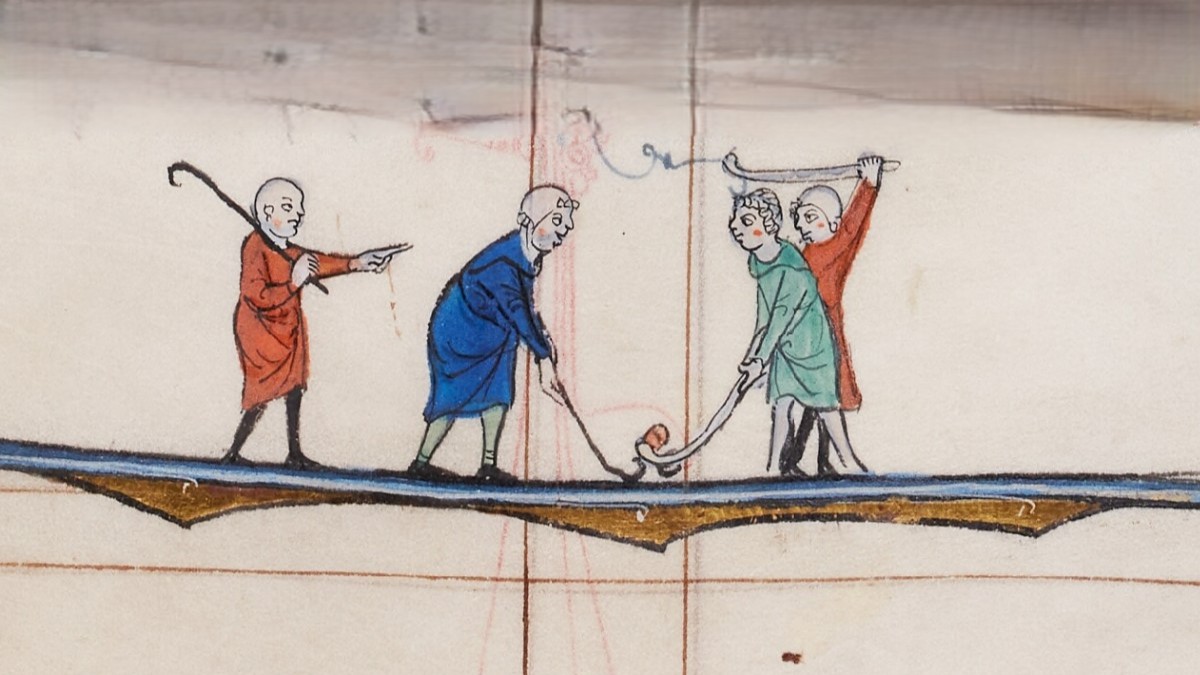
Golf History that how the game began in the 1457
Explore Golf History from 1457 when it was banned in Scotland to 1502, how the 18-hole course at St Andrews in 1764 shaped the modern game….
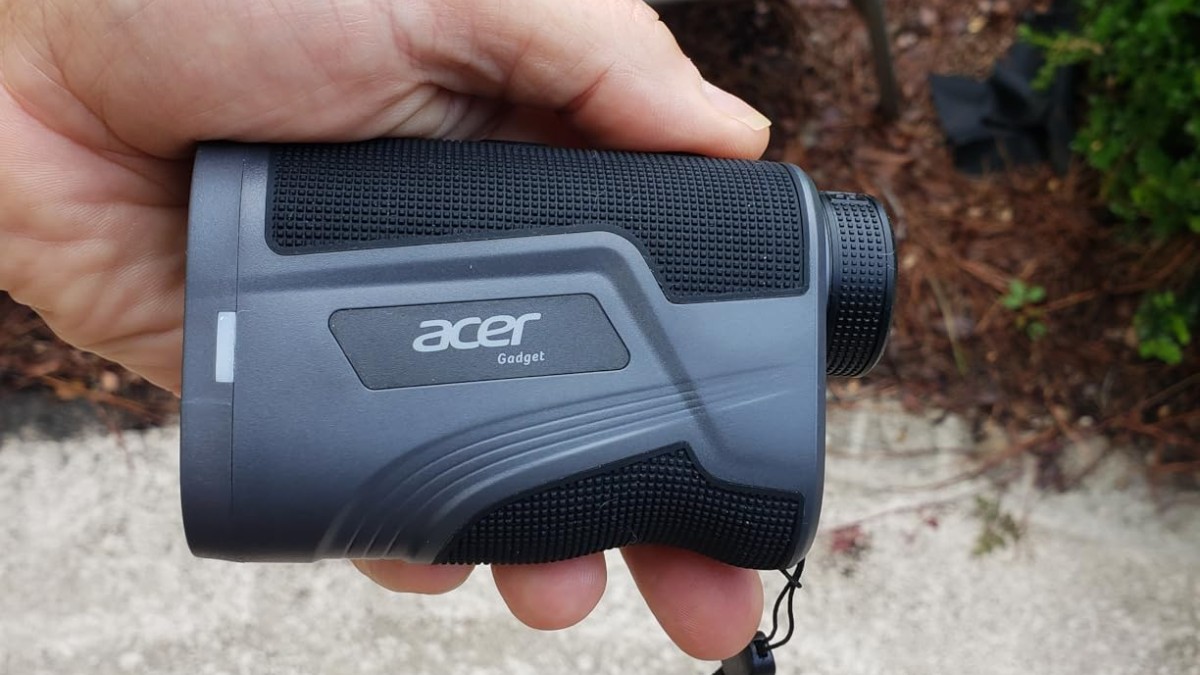
Expert review: Acer Gadget Golf Rangefinder with Slope
I play with the Acer Gadget Golf Rangefinder with Slope – accurate, rechargeable, and perfect for golfers and hunters seeking precision. Best value in 2026…