
Stand Behind the Tee Before You Do Anything

Before you tee up, step back and actually look at the hole.
Where is the trouble? Water left, bunker right, trees closing in from both sides? Most amateur golfers step straight onto the tee box and aim at the flag. That’s a mistake.
Ask yourself one question: Where can I miss and still make par?
That’s your target. Not the flag. Not the middle of the fairway necessarily. The safest landing zone that gives you the most options on your next shot.
Play Away From Trouble — Every Time
This sounds obvious. Most golfers ignore it.
If there’s water on the left side of a fairway, aim right. Not center – right. Give yourself a full margin of error away from the penalty. A ball in the rough on the right side costs you one shot of difficulty. A ball in the water costs you a stroke and distance.
Protect your scorecard first. Attack second.
Think About Your Second Shot Before You Hit Your First
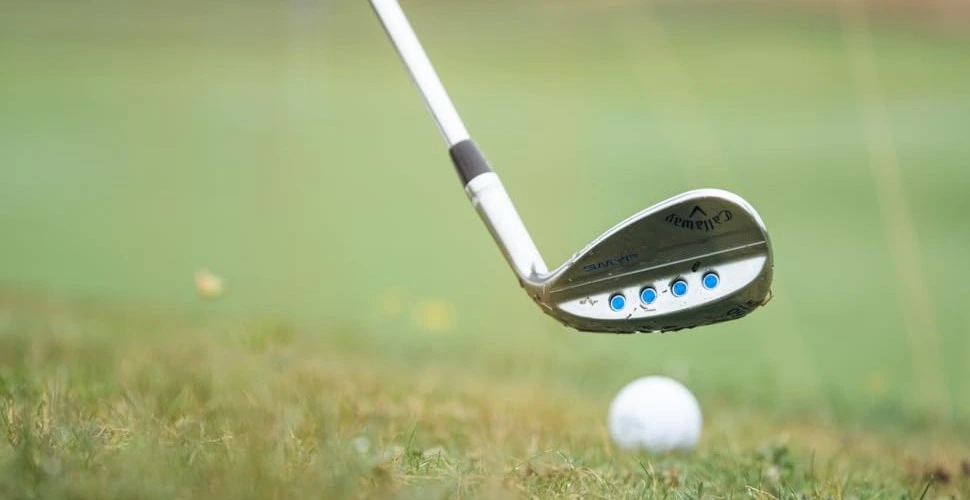
Where your drive need to land to give you the best approach angle into the green?
Some greens are easier to attack from the left side of the fairway. Others open up from the right. Look at the pin position. Notice where the bunkers sit around the green. Then work backwards — where do I need to be standing to have the best shot at that green?
This called golf course management. It’s free. It requires zero athleticism. And it works immediately.
Understand the Wind — Don’t Fight It
Wind changes everything. Distance, shape, even which part of the green you target.
Into the wind: take more club, swing easier. A smooth 6-iron beats a forced 7-iron every time.
Downwind: the ball flies further and lands softer. Aim for back of the green.
Crosswind: aim into the wind and let it carry the ball back toward your target. Don’t try to curve the shot against it.
Simple rule: use the wind, don’t fight it.
Read Greens With Your Feet, Not Just Your Eyes

Most intermediate golfers read putts by crouching behind the ball and looking at the line. That’s start, but it’s not enough.
Walk the low side of the putt. Your feet feel slope your eyes miss. If the ground feels like it’s tilting away from you, the putt breaks that way. Trust what you feel as much as what you see.
Also: putts almost always break away from mountains and toward water. Even if you can’t see a specific slope, knowing the general lay of the land helps you make a better read.
The One Habit That Changes Everything
After every round, think about one hole where your decision-making cost you a shot — not your swing. Where did you aim wrong? Where did you attack when you should have laid up? Where did you ignore the wind?
You don’t need a swing coach for this. You need five minutes and honest reflection.
Better decisions beat better ball-striking more often than most golfers realise.
Start thinking before you swing. The scorecard will follow.

Ryan McGuire’s Lifelong Journey Through Golf
Ryan McGuire shares his lifelong golf journey, from starting at 11 to winning tournaments, passing the PAT, and pursuing a future career in the golf industry…

Expert review: Top 7 golf training aids that help you in 2026
Explore the best golf training aids for beginners and improving golfers. See 7 simple tools that help improve your swing, putting, tempo and ball striking…
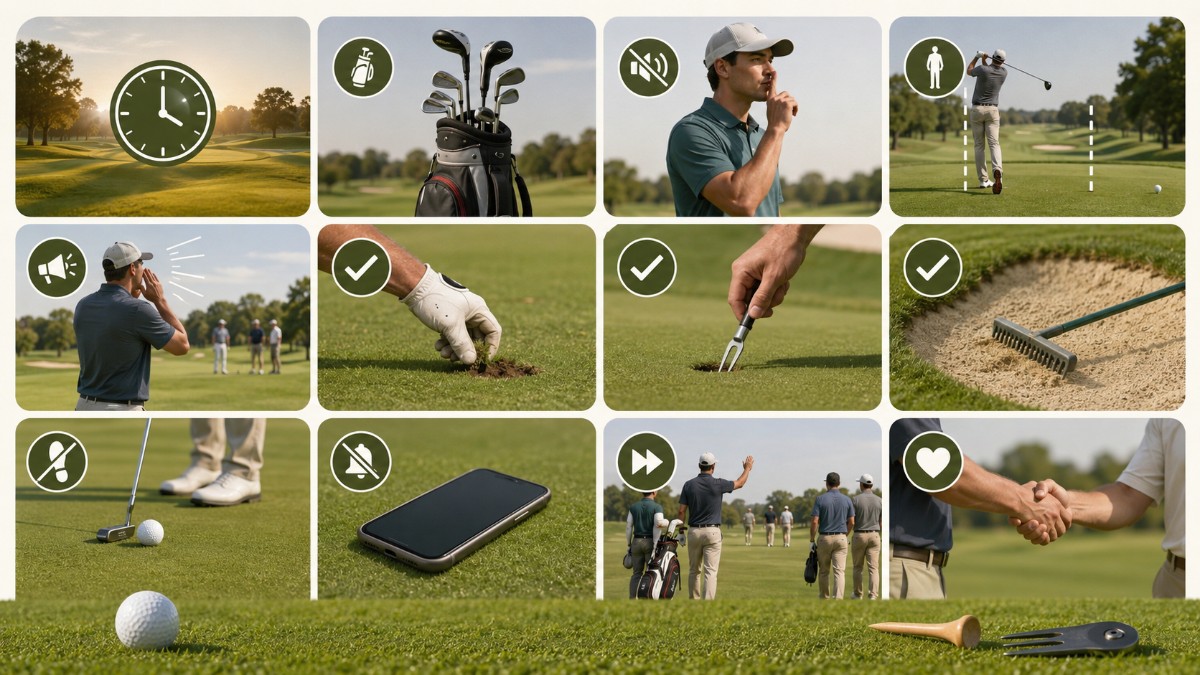
12 golf course etiquette rules every golfer should know
You can join to the top 1% of respected golfers? maintain these 12 golf course etiquette rules to handle pace of play, divots, and course decorum like a pro….