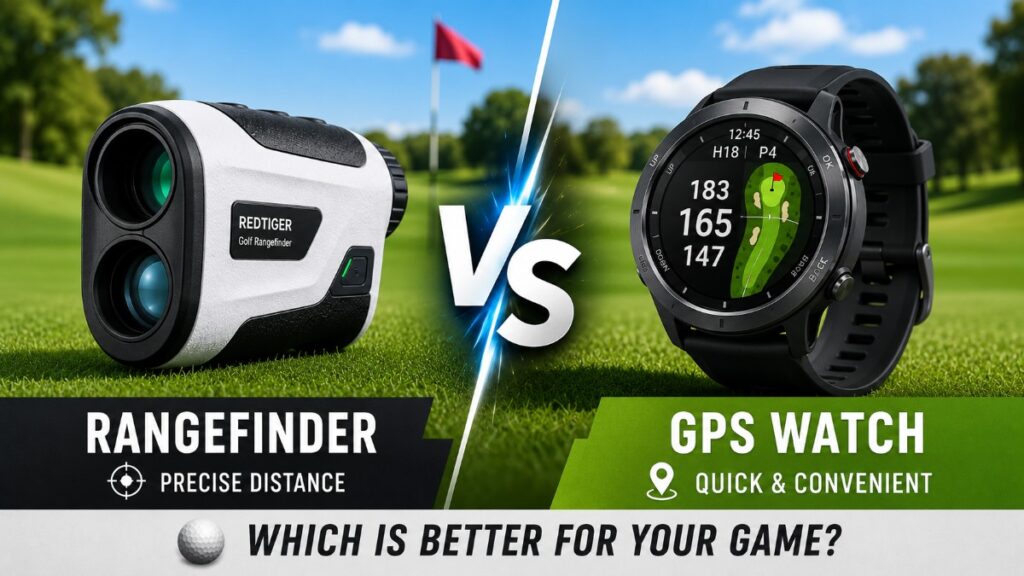
How Each One Works
Laser Rangefinder: You point it at the flag, press a button, and a laser bounces off the target and returns a distance — typically within 1 yard accuracy. It’s precise because you’re measuring the exact target you’re looking at.
GPS Watch: It uses satellite signals and pre-loaded course maps to show you the distance to the front, middle, and back of the gree automatically, without pointing at anything. You just look at your wrist.
Two different approaches. Both useful. Neither perfect
Accuracy
This isn’t close.
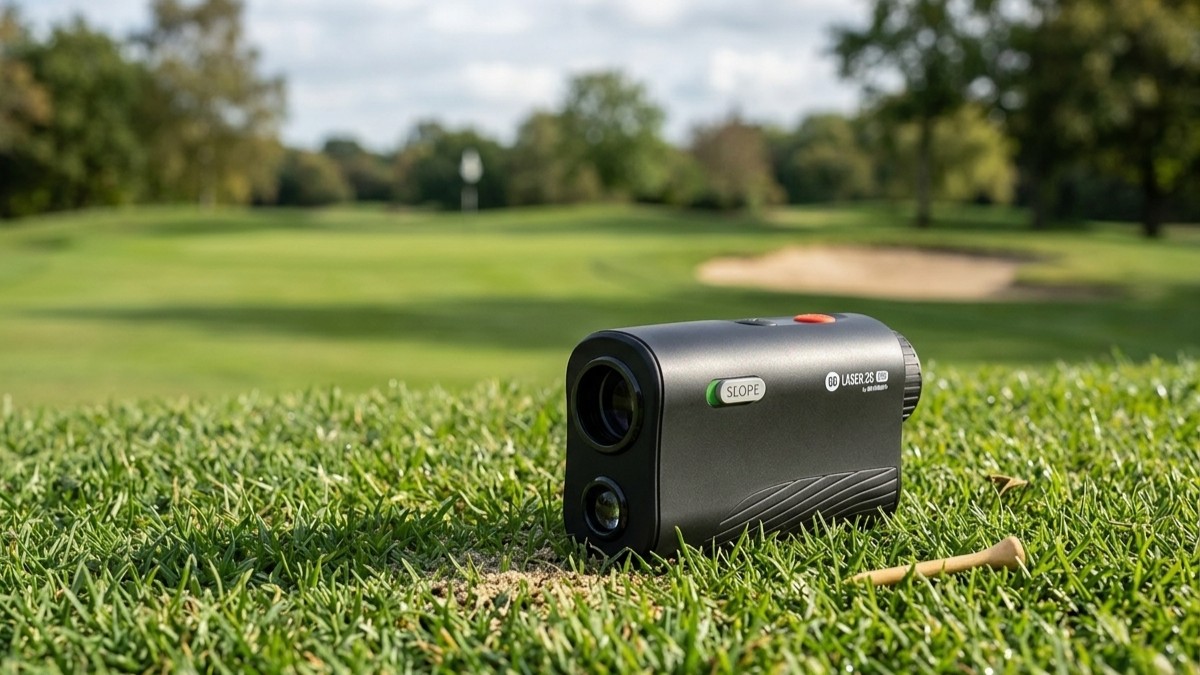
A quality rangefinder is accurate to within 1 yard. A GPS watch gives you distances to pre-mapped points on the green — usually the front, middle, and back with an accuracy of around 3-5 yards.
For most amateur golfers, 3-5 yards is fine. You’re not a Tour pro threading it to a back-left pin from 180 yards. But when you’re 165 out and deciding between a 7-iron and a 6-iron, that gap matters.
There’s also the pin location issue. Your GPS watch knows where the green is. It doesn’t know where the flag is today. A rangefinder locks on to the actual flag, wherever it’s placed.
Winner: Rangefinder
Tournament Rules: Worth Knowing
Both devices are legal in most amateur competitions. The catch is slope compensation — the feature that adjusts for uphill and downhill distances.
Most tournaments require you to disable slope mode during competition. Many modern rangefinders have a tournament mode that locks it off. GPS watches with slope features work similarly.
If you play in club competitions or society events, check the local rules. For casual rounds, use every feature available
So Which One Should You Buy?
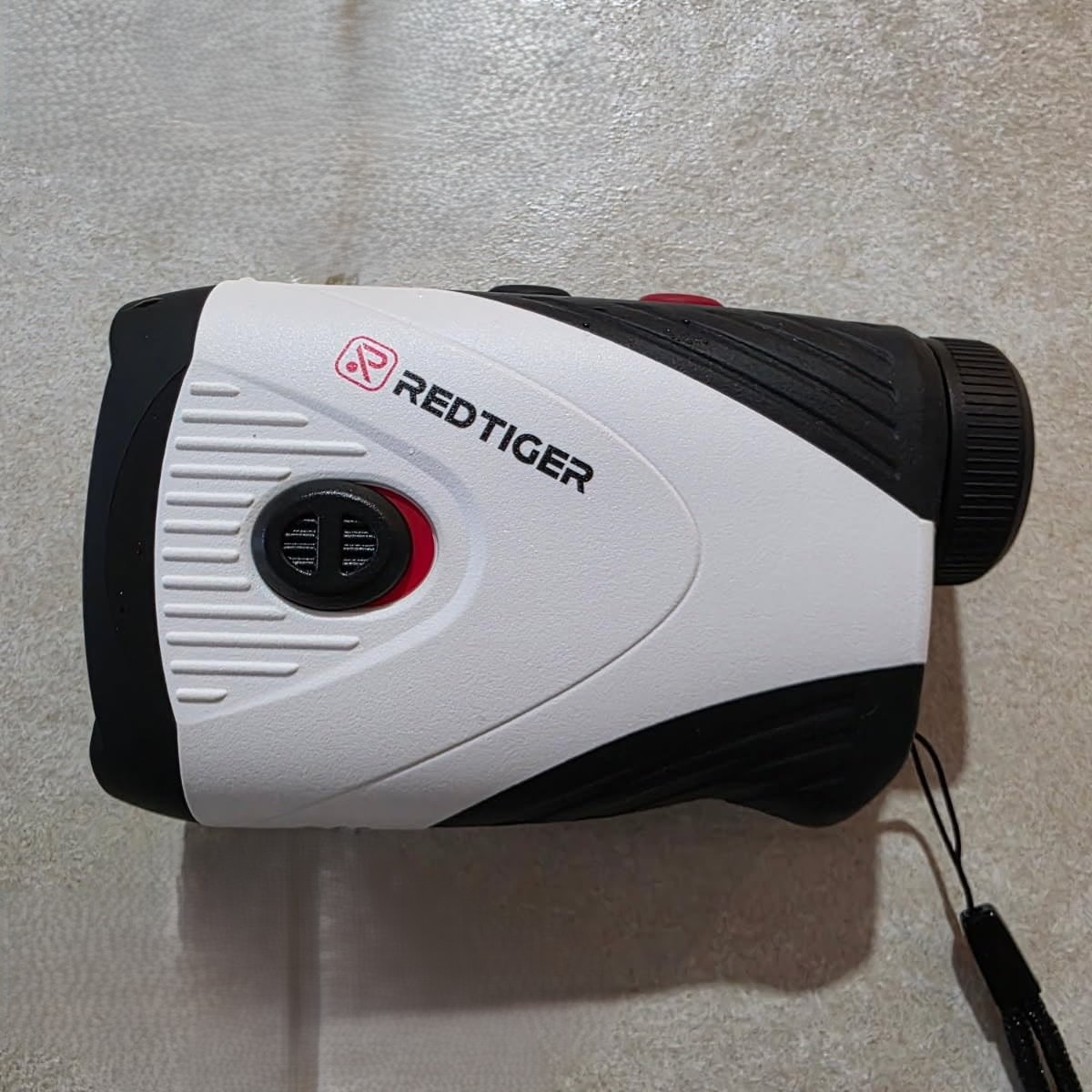
Buy a rangefinder if:
- Accuracy matters more than convenience to you
- You play at different courses frequently
- You want one job done extremely well
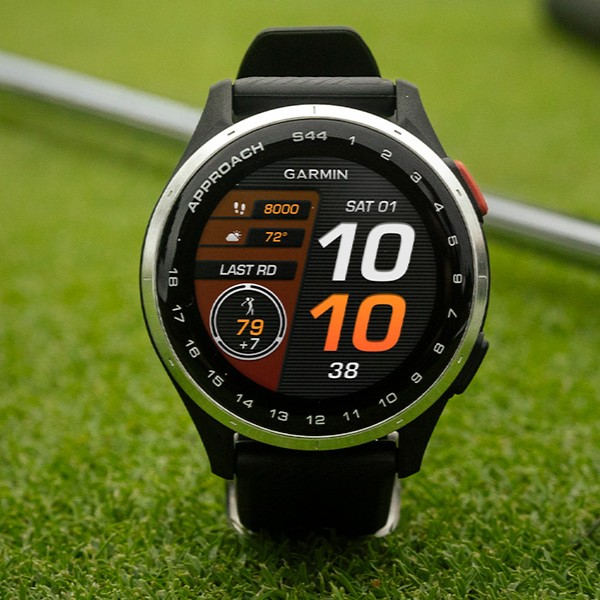
Buy a GPS watch if:
- You want something hands-free and quick
- You play blind shots or heavily tree-lined courses often
- You want hazard distances, scorekeeping, and wrist convenience in one device
- You’re just starting out and want maximum information without fuss
My sincere take: For most beginner and intermediate golfers, start with a GPS watch. The convenience wins you more shots than the 3–5 yard accuracy difference loses you. As your game develops and you start attacking pins rather than just hitting greens that’s when a rangefinder earns its place in your bag.
And for what it’s worth? A lot of serious golfers end up carrying both. The watch for quick reads and hazard info, the rangefinder for precise approach shots when it counts.